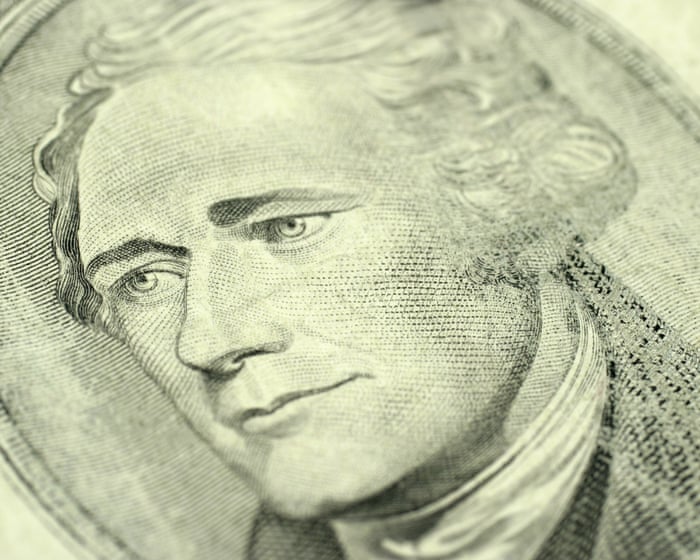
America has always been drawn to an unelected elite. Meet the courtier class | Nancy Isenberg
Summary
Historian Nancy Isenberg argues that unelected powerbrokers have influenced American politics since the country’s founding, rather than emerging only in modern elite circles. She describes these figures as courtiers who used social skill, persuasion, and patronage to shape decisions and advance their interests.Key Facts
- The article identifies the courtier as a recurring figure in American political history.
- Isenberg says educated members of the Revolutionary generation read Baldassare Castiglione’s 1528 book, The Book of the Courtier.
- George Washington admired Castiglione’s ideal of the “graceful warrior” and praised British commander Lord William Howe as a courtier.
- Alexander Hamilton described French minister Chevalier de La Luzerne as skilled at pleasing and winning over allies.
- John Adams criticized courtiers as people who flattered powerful figures to gain favor and appointments.
- Courtiers became regular participants in social gatherings at the presidencies of Washington and Adams, the article says.
- The article compares Hamilton’s political influence to that of British statesman Robert Walpole, who used patronage and persuasion to build support.
- Isenberg presents Hamilton as a courtier who used social relationships and persuasion in politics.
Read the Full Article
This is a fact-based summary from The Actual News. Click below to read the complete story directly from the original source.