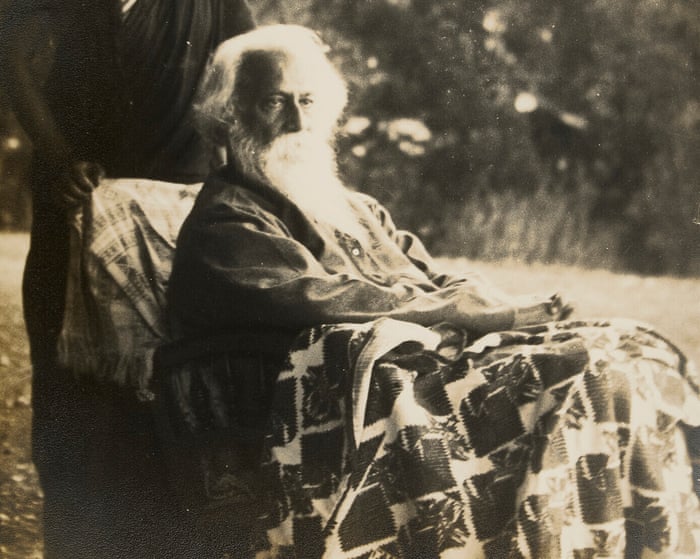
The private creative world of Rabindranath Tagore, the man Yeats called ‘greater than any of us’
Summary
A Christie’s exhibition in Mumbai is presenting material from a private family archive connected to Rabindranath Tagore’s visits to Maitreyi Devi’s home in Mungpoo between 1938 and 1940. The manuscripts, letters, artworks, photographs and personal items offer insight into Tagore’s creative work and his ideas about education in his final years.Key Facts
- Tagore was born in 1861 and died in 1941.
- He became the first non-European to win the Nobel Prize in Literature.
- His collection Gitanjali won the Nobel Prize; its English translation appeared in London in March of the prize year.
- The archive includes material from Tagore’s visits to Maitreyi Devi’s family home in Mungpoo between 1938 and 1940.
- The exhibition includes artworks, manuscripts, letters, photographs and personal effects, including a kurta and lungi.
- A 1940 manuscript appears to be a draft of Tagore’s memoir Chelebela, or My Boyhood Days.
- Tagore founded Santiniketan, an experimental school that emphasized open-air learning.
Read the Full Article
This is a fact-based summary from The Actual News. Click below to read the complete story directly from the original source.