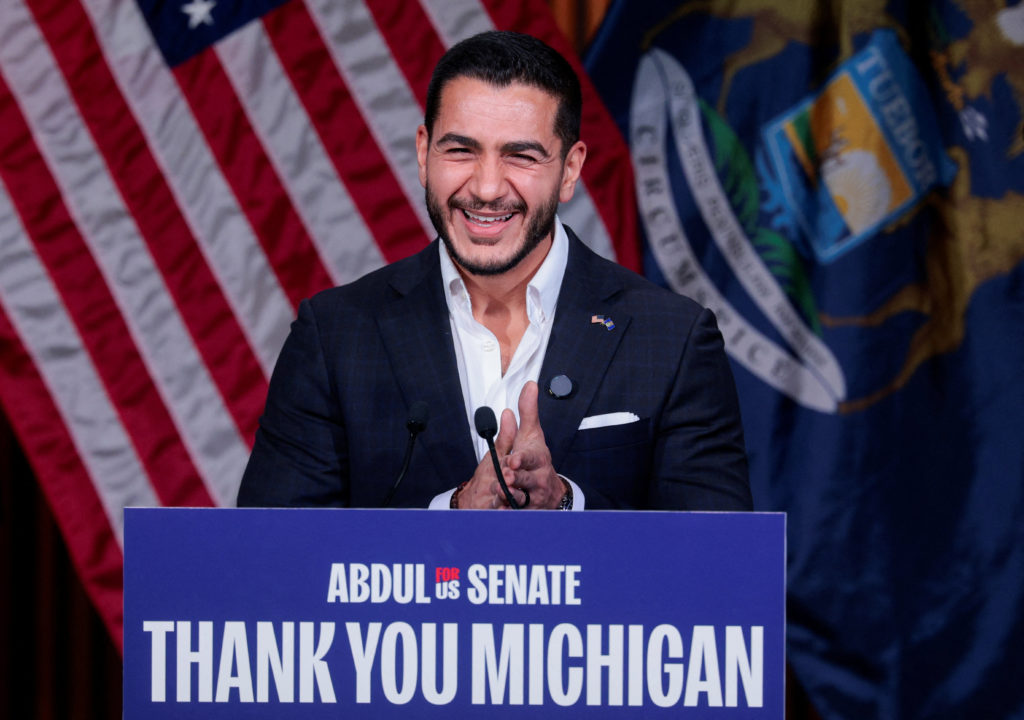
'JD, habibi.' Arabs celebrate El-Sayed's use of a term of affection in his victory speech
Summary
Abdul El-Sayed’s Senate victory drew celebrations among Arab communities in Michigan and across the Middle East, with supporters embracing his use of Arabic words such as “habibi” and “inshallah.” In his victory speech, El-Sayed joked about Vice President JD Vance’s earlier warning and answered attacks on his name and background by saying Vance would have to swear him in as senator.Key Facts
- El-Sayed is set to become the first Muslim American U.S. senator.
- El-Sayed, the son of Egyptian immigrants, used “habibi,” meaning “my beloved,” in his victory speech to address Vice President JD Vance.
- In everyday Arabic, “habibi” can also mean “buddy,” “pal” or “bro.”
- El-Sayed said his campaign had turned “inshallah,” meaning “God willing,” into “hamdulillah,” meaning “thank God.”
- Vance had warned that El-Sayed would lead rioters in burning down Detroit.
- President Donald Trump called El-Sayed a “jihadist,” referred to the Sept. 11 attacks and misstated his name during the campaign.
- Supporters shared music and comedy clips on social media to celebrate El-Sayed’s win and his use of Arabic expressions.
- El-Sayed told Trump that after Vance swore him in, Trump could call him “senator.”
Read the Full Article
This is a fact-based summary from The Actual News. Click below to read the complete story directly from the original source.