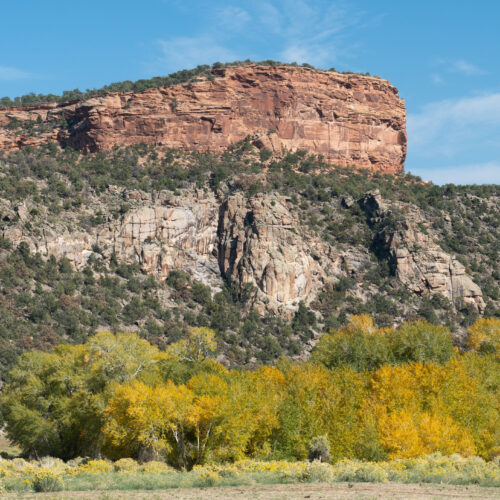
Earth's churning mantle may have created the Great Unconformity
Summary
A study in Nature proposes that slow movement in Earth’s mantle helped create the Great Unconformity, a major gap in the rock record. Researchers’ simulations suggest mantle-driven uplift exposed land to erosion, followed by sinking and burial under new sediments, but uncertainty about ancient continent positions limits the results.Key Facts
- The Great Unconformity separates ancient crystalline rocks from younger sediments, including Cambrian-era sandstone.
- The gap in the geologic record can span about 200 million years to more than a billion years.
- Geologists have traced the feature across much of North America and parts of northern Europe and northern China.
- One established explanation points to glaciation between roughly 720 million and 635 million years ago, when glaciers reached tropical regions.
- Other proposed causes include crustal rifting and changes in sea level.
- The study’s researchers modeled mantle convection over the past billion years using reconstructions of tectonic plate movement.
- The models suggest slow mantle currents could have lifted continents for hundreds of millions of years, allowing erosion before the land sank and sediments covered it.
- The researchers note that ancient magnetic records do not establish continents’ longitude, leaving some uncertainty about the simulations’ starting positions.
Read the Full Article
This is a fact-based summary from The Actual News. Click below to read the complete story directly from the original source.