What’s the point? Ten years after the Paris treaty, are climate talks getting anywhere?
Summary
The article argues that climate negotiations face an impasse a decade after the Paris Agreement, as countries’ emissions plans and pledges have not kept global warming within the treaty’s 1.5°C goal. It points to slow negotiations, consensus rules that allow countries to block action, limited progress on fossil fuels, and gaps between climate commitments and national policies.Key Facts
- The Paris Agreement was signed in 2015 and entered into force in 2016.
- The article says global temperatures exceeded 1.5°C above preindustrial levels for two years.
- The UN’s most optimistic estimate cited in the article projects about 1.7°C to 1.8°C of warming.
- Brazil’s hosts excluded national emissions plans from negotiation at the 2025 climate summit in Belém.
- The Belém summit ended with a deal, though the article says few participants supported it.
- Countries agreed at the 2023 Dubai summit to transition away from fossil fuels, but set no timeline or supporting policies.
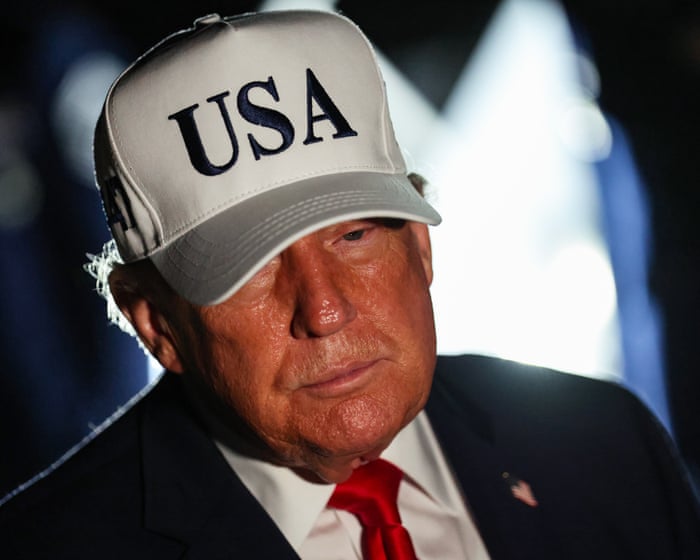
- The United States has withdrawn from the Paris Agreement under President Donald Trump; the article says the country produces about one-eighth of current carbon dioxide emissions.
- The article cites fossil fuel and climate policy decisions in Australia, Turkey, the UK and Germany as examples of a gap between climate pledges and policy.
Read the Full Article
This is a fact-based summary from The Actual News. Click below to read the complete story directly from the original source.