There’s more than a whiff of politics to the sudden call to slash Labor’s green energy subsidies
Summary
Australia’s mid-year budget debate has focused on cutting household clean-energy support, including rebates for home batteries and tax breaks for leased electric vehicles. The article compares their costs with larger spending pressures, such as disability support, submarine procurement and fuel tax credits, and notes that the battery scheme’s uptake exceeded official forecasts.Key Facts
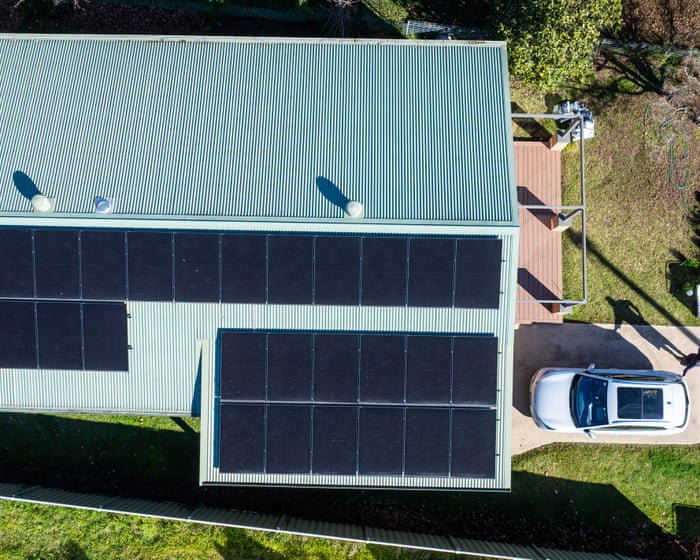
- The home battery program offers households and businesses a taxpayer-funded rebate of 30%.
- Treasury initially estimated the battery program would support one million new batteries by 2030 at a cost of A$2.3 billion.
- The latest estimate for the battery program’s cost is more than three times the original forecast, following a policy change.
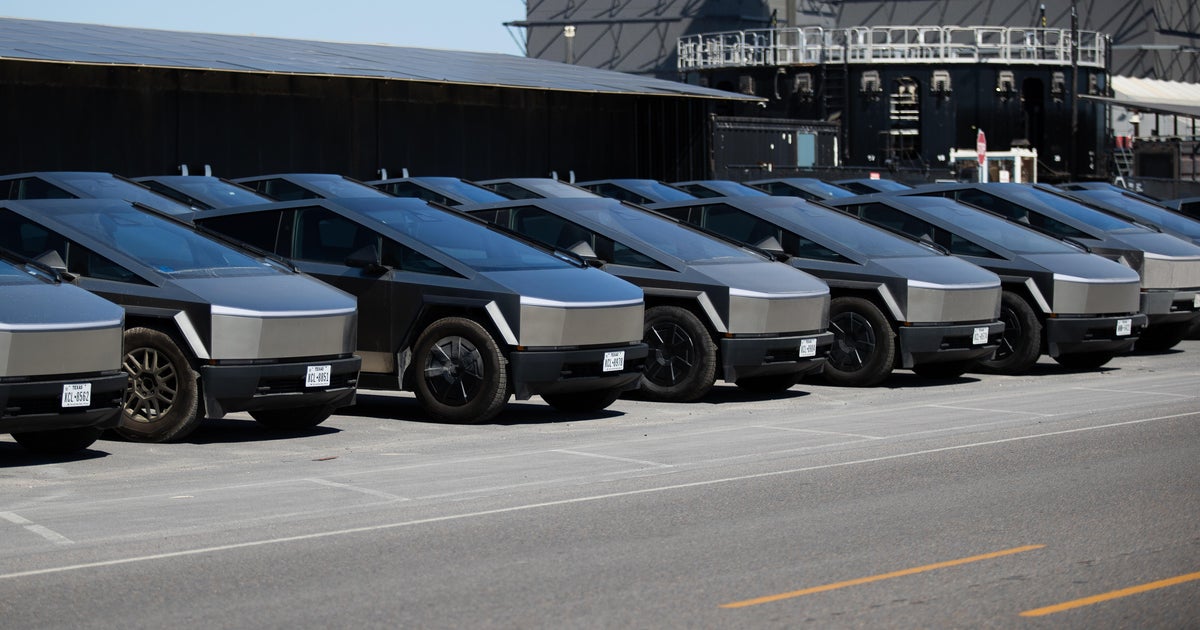
- A 2022 electric vehicle tax benefit exempts eligible employer-leased EVs from fringe benefits tax.
- The National Disability Insurance Scheme was expected to cost nearly A$54 billion in 2025–26.
- The Parliamentary Budget Office estimated in 2023 that acquiring nuclear-powered submarines under the AUKUS agreement could cost up to A$368 billion over the program’s lifetime.
- The fuel tax credit scheme, which mainly benefits mining companies, costs about A$11 billion a year and is rising.
- Opposition leader Angus Taylor has promised A$31 billion in budget savings over four years, including abolishing what he calls Labor’s climate bureaucracy.
Read the Full Article
This is a fact-based summary from The Actual News. Click below to read the complete story directly from the original source.