Bronze leg found in Scottish bog sheds new light on Roman occupation
Summary
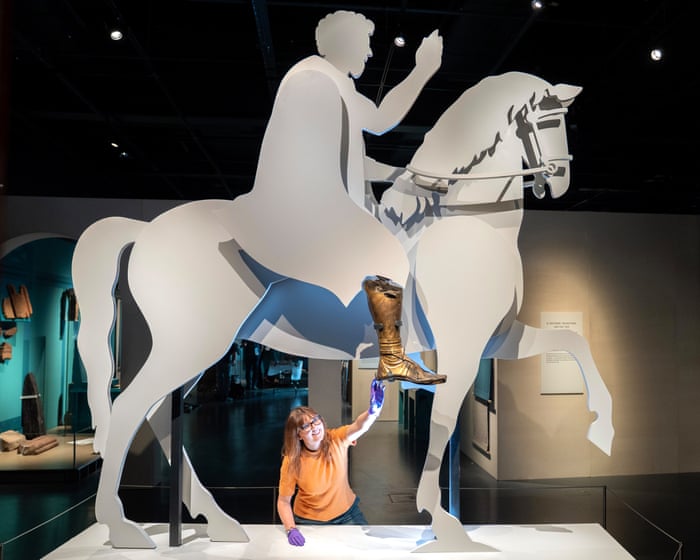
Archaeologists now believe a large bronze leg found in a Scottish bog in 1820 came from a gilded statue of Emperor Antoninus Pius erected near Hawick around AD 140. The leg features in a new exhibition at the National Museum of Scotland, which presents evidence of a larger Roman presence in Scotland than previously thought.Key Facts
- The bronze leg was found in a bog more than 200 years ago and was kept at Dalkeith House for about a century.
- Earlier scholars thought the leg had been looted from York and carried north; archaeologists now believe it came from the Scottish Borders.
- The leg may have belonged to a large equestrian statue of Antoninus Pius erected after Roman forces took control of southern Scotland around AD 140.
- The exhibition, Roman Scotland: Life on the Edge of Empire, opens at the National Museum of Scotland in Edinburgh.
- Curator Fraser Hunter estimates about 10,000 troops and perhaps 10,000 camp followers, wives, and enslaved people were in southern and eastern Scotland during the Antonine period.
- The exhibition includes a decorated bowl from Inveresk, whose combination of animal reliefs has not been found elsewhere in Scotland or the UK.
- The museum is displaying two carved stone altars from an Inveresk temple to Mithras, as well as the skeleton of a horse buried there.
Read the Full Article
This is a fact-based summary from The Actual News. Click below to read the complete story directly from the original source.