Punks, sex workers and society in transition: documenting postwar Japan – in pictures
Summary
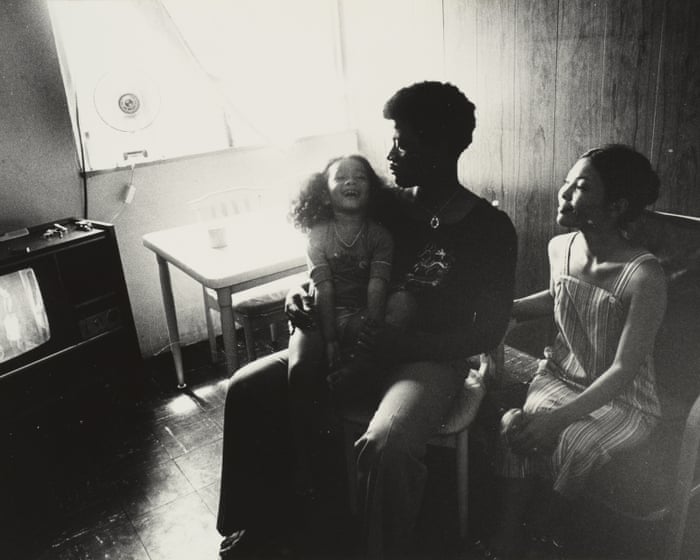
A Metropolitan Museum of Art exhibition explores how Japanese and Okinawan photographers documented postwar social change and the effects of the American military presence. The works span the 1960s and 1970s and include images of military bases, protests, work, and life around bases.Key Facts
- The exhibition features photographs by Tōmatsu Shōmei, Iida Takao, Heshiki Kenshichi, and Ishiuchi Miyako.
- Tōmatsu’s 1969 photograph Okinawa Okinawa depicts a woman behind layers of chain-link fence at a U.S. airbase.
- The curator says the exhibition grew from a focus on Okinawa to a wider look at photographers’ responses to the American military presence across Japan.
- Heshiki Kenshichi photographed ordinary work connected to a factory his family owned that supplied flak vests to the U.S. military.
- Ishiuchi Miyako’s Yokosuka Story series dates to 1977 and 1979.
- The exhibition examines how photography and publishing conveyed the social changes of postwar Japan.
- The article notes growing recognition of photobooks and magazines as important forms of artistic work.
Read the Full Article
This is a fact-based summary from The Actual News. Click below to read the complete story directly from the original source.