Indigenous students retrace Lewis and Clark’s historic journey: ‘We can’t protect what we cannot see’
Summary
Smithsonian researchers are repeating a wildlife survey along the Lewis and Clark expedition route using motion-triggered cameras. Seven tribal colleges joined the project, and Standing Rock students help collect and interpret data alongside traditional ecological knowledge.Key Facts
- The original Lewis and Clark expedition surveyed plants and animals during its journey across the western United States in the early 1800s.
- The Smithsonian National Zoo and Conservation Biology Institute organized a new wildlife survey along the expedition route.
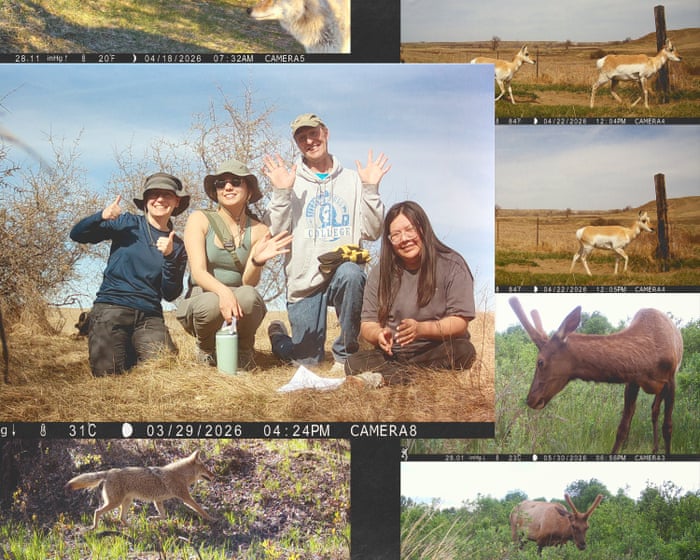
- The new survey uses motion-triggered trail cameras installed by partner institutions.
- Seven tribal colleges agreed to operate cameras, manage data, and study ecological changes on their reservations.
- The Smithsonian’s Women’s Committee raised money to pay tribal students serving as interns.
- Sitting Bull College students Tamiera Garter and Precious Yellow Fat helped deploy cameras for the project.
- Some Standing Rock residents raised concerns about outside access to tribal lands and control over data collected there.
Read the Full Article
This is a fact-based summary from The Actual News. Click below to read the complete story directly from the original source.