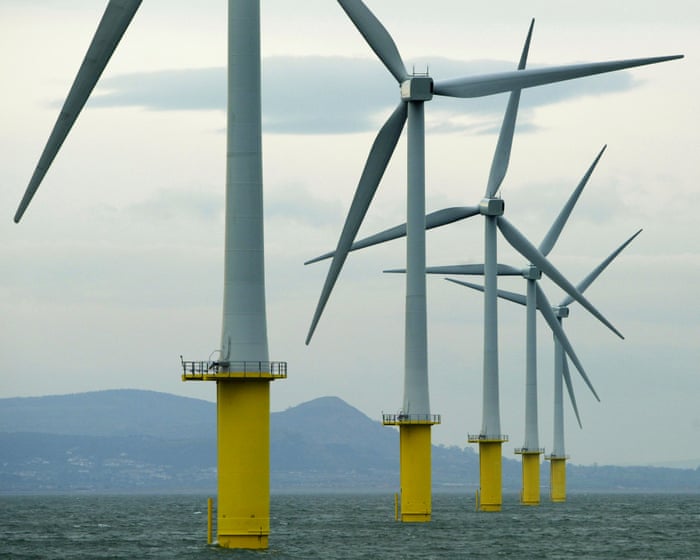
Great Britain’s oldest renewables projects could rake in nearly £9bn next year
Summary
Renewable energy projects built in Great Britain from 2003 to 2014 could earn nearly £9bn next financial year through wholesale electricity sales and payments under the Renewables Obligation scheme. The Energy Competitiveness Unit says moving generators to fixed-price contracts could reduce electricity costs, while the government has proposed changes to how legacy scheme costs are handled.Key Facts
- The projects are expected to receive £4.5bn in Renewables Obligation subsidies and £4.2bn in wholesale market revenue next financial year.
- The analysis says developers could receive almost 50% more than before Russia’s 2022 invasion of Ukraine drove up gas prices.
- The Renewables Obligation pays eligible generators subsidies on top of revenue from wholesale electricity sales.
- The government plans to move three-quarters of the Renewables Obligation’s costs from household energy bills to general taxation from April 2026.
- The government has warned that legacy generators could face higher windfall taxes unless they switch to a partly fixed-price contract.
- The Energy Competitiveness Unit says an entirely fixed-price contract could cut electricity costs by £3.8bn next year and £9.2bn over 10 years.
- Since 2013, renewable energy developers have competed for fixed-price contracts known as Contracts for Difference.
Read the Full Article
This is a fact-based summary from The Actual News. Click below to read the complete story directly from the original source.


