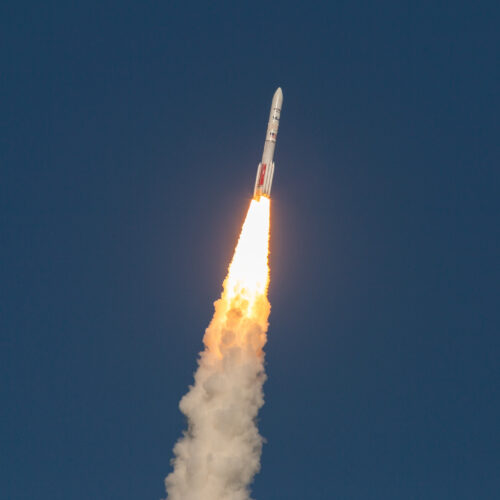
The data is very preliminary, but Vulcan failure may not be due to BE-4 engines
Summary
United Launch Alliance said its Vulcan rocket’s return-to-flight mission began to fail shortly after liftoff, with low booster performance leading to stage separation at too low an altitude and speed to reach orbit. Preliminary information points to a possible problem on the vehicle side, but investigators have not identified a cause.Key Facts
- ULA said it lost telemetry and the mission about 10 minutes into the flight.
- The rocket’s Centaur V upper stage and solid rocket boosters performed nominally, according to ULA.
- Vulcan’s core stage uses two BE-4 engines made by Blue Origin.
- Preliminary information from two sources indicated that investigators currently suspect a vehicle-side problem rather than an engine failure.
- Investigators are considering whether systems that supply methane and liquid oxygen to the engines were involved.
- ULA is leading the investigation, which the Federal Aviation Administration is overseeing.
- This was Vulcan’s fifth flight since its debut in January 2024.
- Two earlier Vulcan flights had solid rocket booster nozzle problems, but the rocket reached its intended orbit on both occasions.
Read the Full Article
This is a fact-based summary from The Actual News. Click below to read the complete story directly from the original source.