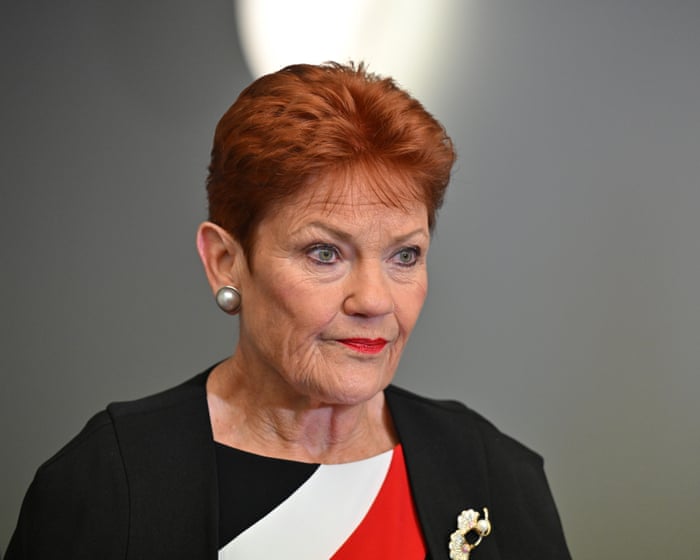
The EU that Burnham is eyeing up is very different to the one Britain left
Summary
The UK and EU are discussing a limited set of agreements on youth mobility, carbon pricing and food trade, alongside possible cooperation on electricity and defence financing. Prime Minister Andy Burnham has described closer ties as a gradual process; broader options, including a customs union or single market, may be considered later, but not before the next general election. Since 2016, the EU has faced supply-chain disruptions, Russia’s invasion of Ukraine, uncertainty over U.S. support and competition from Chinese imports, prompting a greater focus on self-reliance and diversified suppliers.Key Facts
- The proposed UK-EU agenda includes a limited youth work and mobility scheme, cross-channel carbon emissions pricing and steps to ease food trade.
- The UK and EU are also discussing lower tuition fees for EU students at British universities in exchange for UK access to an EU manufacturing scheme.
- The UK is considering rejoining the EU electricity market and seeking to join an EU-backed defence loan scheme.
- Possible later proposals include UK membership in the EU customs union or single market; a referendum on rejoining the EU has also been suggested.
- The article says none of the broader proposals would come before the next UK general election.
- The Covid crisis exposed European reliance on overseas suppliers for goods such as medical supplies.
- Russia’s 2022 invasion of Ukraine highlighted EU reliance on Russian energy and increased pressure for stronger European defence and industrial coordination.
- U.S. policy under Donald Trump and Chinese exports of low-priced cars and steel have reinforced EU efforts to become more self-reliant and diversify suppliers.
Read the Full Article
This is a fact-based summary from The Actual News. Click below to read the complete story directly from the original source.