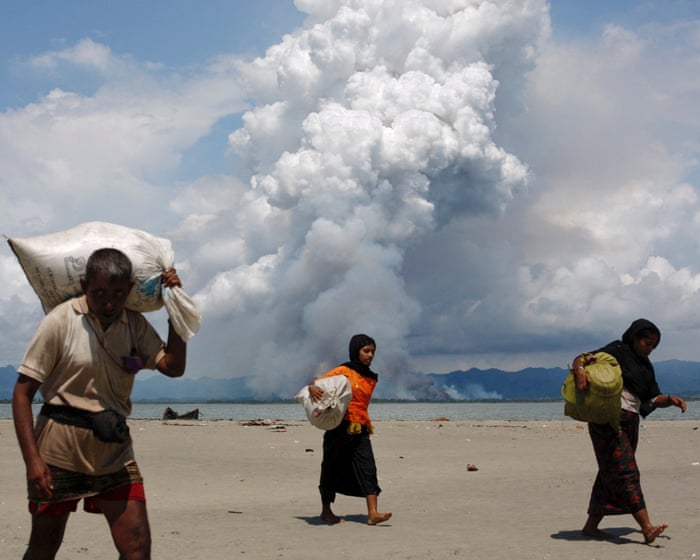
Fears grow over US sanctions on ICJ judges ahead of Myanmar genocide ruling
Summary
The International Court of Justice is expected to rule on Thursday on whether Myanmar committed genocide against the Rohingya. U.S. officials and a thinktank have warned of possible sanctions against ICJ judges, amid concern that the ruling could affect future genocide cases involving Israel and the United States.Key Facts
- The case concerns Myanmar’s military operations in Rakhine state in 2016 and 2017.
- Rohingya survivors’ lawyers argue that the military’s actions, including killing people as they fled, show intent to destroy the group.
- Myanmar denies committing genocide and says it targeted an insurgency.
- The ICJ has not previously found a state responsible for genocide.
- The Gambia appointed South African jurist Navi Pillay as its ad hoc judge in the case; Pillay was awarded this year’s Nobel Peace Prize.
- U.S. Ambassador to the UN Mike Waltz accused Pillay of trying to lower the standard for proving genocide and warned that Washington would closely monitor the case.
- The United States has imposed sanctions on International Criminal Court judges and announced sanctions against the ICC as an institution.
- The ICJ resolves disputes between states, while the ICC prosecutes individuals accused of international crimes.
Read the Full Article
This is a fact-based summary from The Actual News. Click below to read the complete story directly from the original source.