Myanmar ruling gives new relevance to genocide convention and is ‘full of messages’ for Israel
Also reported by Axios, BBC Top Stories, PBS NewsHour, France24, Al Jazeera, CBS News, BBC World
Summary
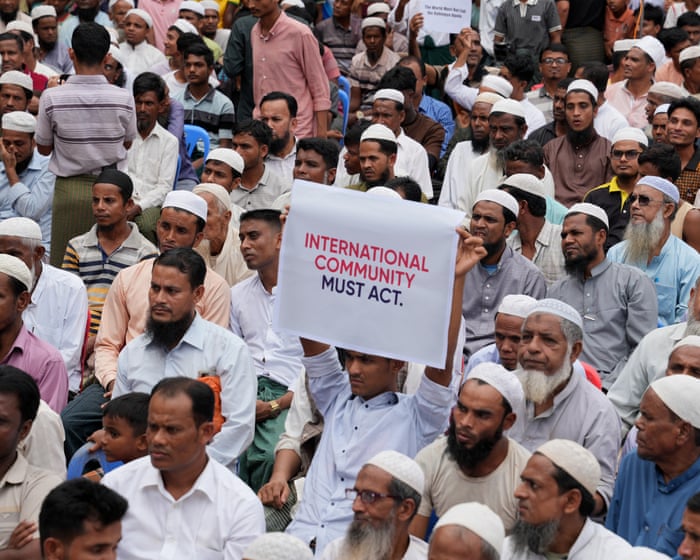
The International Court of Justice ruled that Myanmar committed genocide against the Rohingya, a Muslim minority, in a military campaign that peaked in 2017. The nine-to-six decision clarified how courts can assess genocide intent under the 1948 convention and may inform other cases, including proceedings involving Israel and Germany.Key Facts
- The ICJ found Myanmar’s military directly responsible for genocide against the Rohingya.
- The ruling passed by a nine-to-six vote among the judges.
- The court assessed the campaign’s impact on the Rohingya population of about 815,000 people in northern Rakhine state, not only the death toll of about 10,000.
- The court also considered mental harm to survivors and effects on reproduction in the Rohingya community.
- The judges kept the existing standard that genocide intent must be the “only reasonable inference” from the actions.
- Israel is facing a separate ICJ case accusing it of genocide, while Nicaragua has brought Germany before the court over alleged facilitation of, and failure to prevent, genocide in Gaza.
- The ruling may also guide the International Criminal Court when considering genocide charges against individuals.
- Before the ruling, the United States warned the ICJ against lowering the legal threshold for proving genocide.
Read the Full Article
This is a fact-based summary from The Actual News. Click below to read the complete story directly from the original source.