America's religious "nones" move from voters to lawmakers
Summary
Five members of Congress are expected to identify as religiously unaffiliated in January, up from one two years earlier. The election of Chris Rabb and Fred Wellman marks a gain for openly nonreligious candidates, while surveys and election results show that unaffiliated voters do not share a single political outlook.Key Facts
- Three lawmakers in the current Congress identify as having no religious affiliation: Yassamin Ansari, Abraham Hamadeh and Emily Randall.
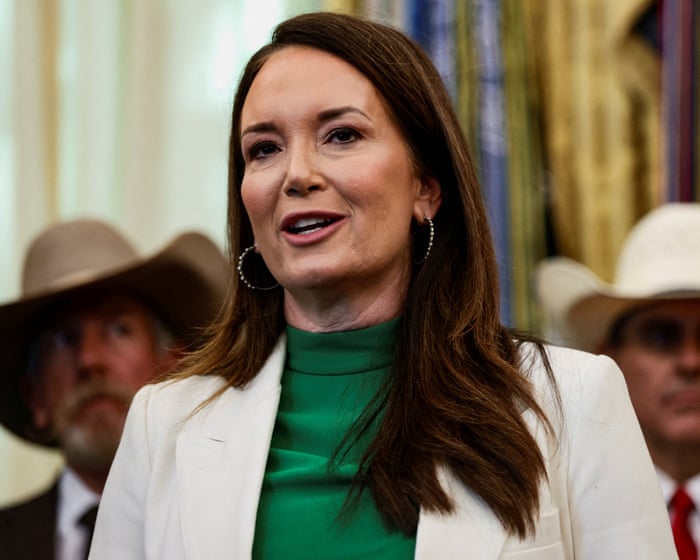
- Democrats Chris Rabb and Fred Wellman won House seats after publicly identifying as nonreligious.
- Wellman defeated Republican Ann Wagner by about 51% to 46% in suburban St. Louis.
- Religiously unaffiliated voters made up 27% of the 2026 midterm electorate, compared with 23% in 2024, according to preliminary voter polling.
- More than 100 openly nonreligious lawmakers are expected to serve in at least 38 state legislatures.
- An October Pew survey found that 81% of atheist registered voters and 75% of agnostics supported Democratic House candidates, compared with 48% of voters who said they had no religion in particular.
- The Congressional Freethought Caucus has 37 members and supports church-state separation and science-based policies.
Read the Full Article
This is a fact-based summary from The Actual News. Click below to read the complete story directly from the original source.