Summary
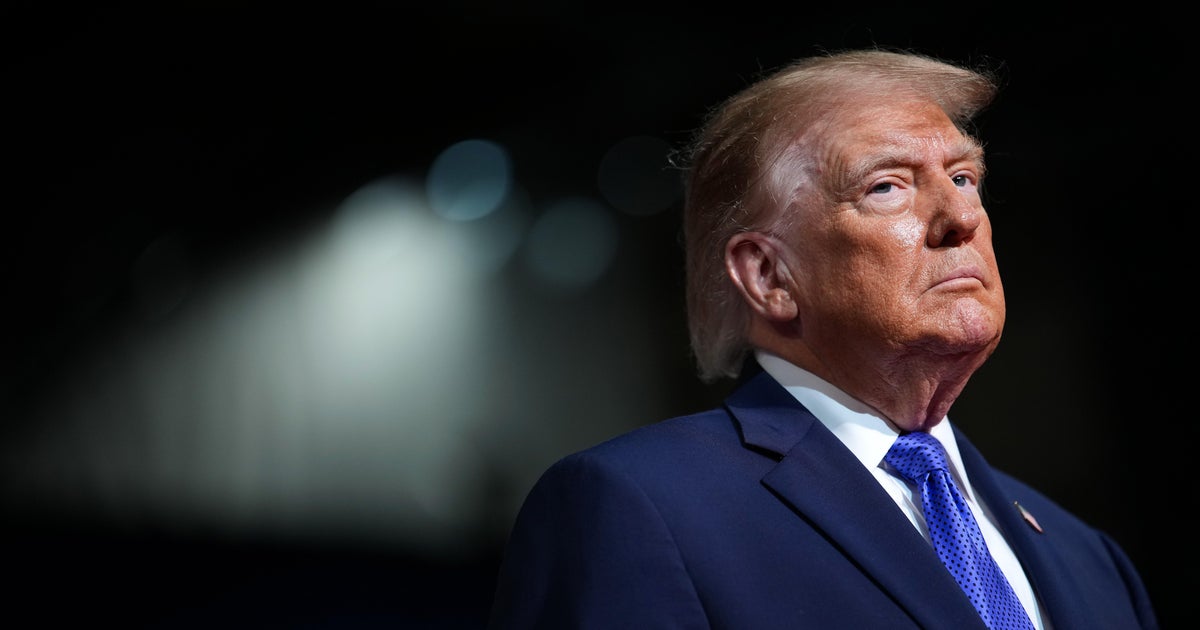
President Donald Trump said he would work with the incoming Democratic-controlled Congress to cap credit card interest rates, renewing a proposal he made during his 2024 campaign. A commonly discussed cap is 10%, compared with a median rate of about 22.2%; banks and card companies oppose the proposal, while Sen. Elizabeth Warren supports it.Key Facts
- Trump said he would work with Democrats to cap credit card interest rates.
- A standard proposal would set the maximum rate at 10%.
- The median credit card interest rate was about 22.2% in an August survey by the New York Federal Reserve.
- At a 10% rate, a $5,000 balance would accrue about $42 in monthly interest; at 22%, it would accrue about $100.
- Banks and credit card companies say a rate cap could lead them to cancel cards for some customers or reduce rewards.
- Sen. Elizabeth Warren has called for a cap and said Congress could work with Trump on the proposal.
- Researchers estimated that a 10% cap could save Americans about $100 billion in interest each year.
- About 195 million people in the United States had credit cards in 2024 and were charged $160 billion in interest, according to the Consumer Financial Protection Bureau.