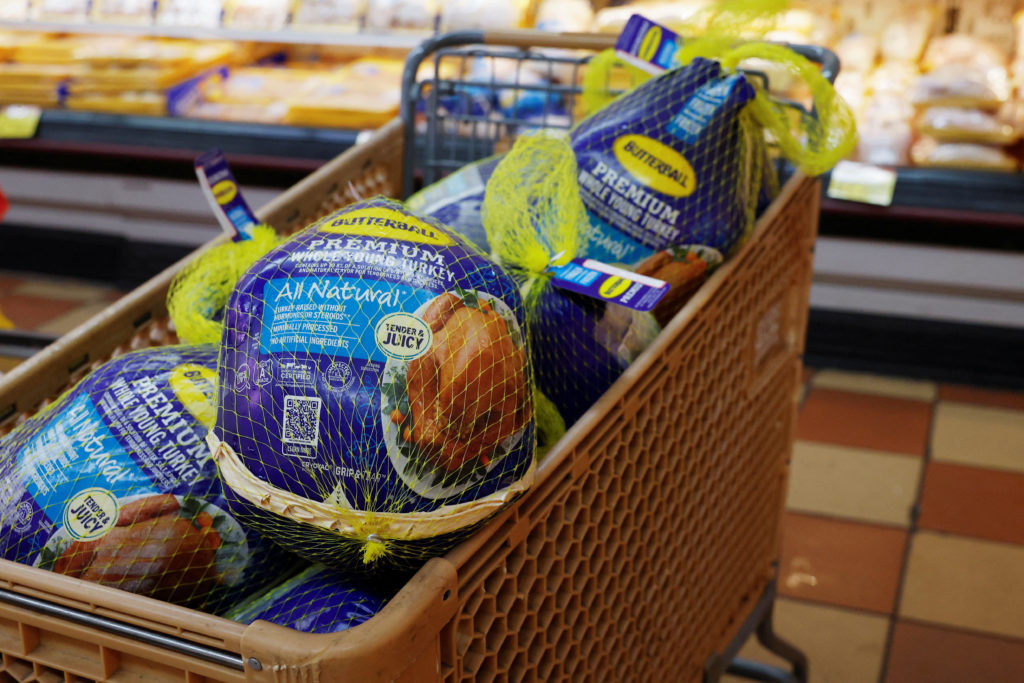
A doctor's guide to surviving — and enjoying — holiday feasting while on GLP‑1 medication
Summary
GLP-1 medications can reduce hunger, slow stomach emptying and help people feel full sooner, but eating past that new comfort level may cause nausea or vomiting. During holiday meals, smaller portions, slower eating and attention to fullness can help people taking these drugs enjoy food while limiting discomfort.Key Facts
- About 1 in 10 U.S. adults used GLP-1 medications in 2025.
- GLP-1 medications are used to manage Type 2 diabetes, obesity and other chronic conditions.
- These medications can reduce hunger, slow stomach emptying and help people feel full sooner and stay full longer.
- Some people taking GLP-1 medications report fewer cravings for high-calorie foods or less desire to drink alcohol.
- Eating beyond a comfortable limit may cause nausea or vomiting, even for people who have not previously experienced nausea from the medication.
- Nausea, bloating and early fullness can signal that a person has eaten enough.
- Smaller portions, eating slowly and pausing between bites can give the body more time to register fullness.
- Rich, high-fat foods may worsen nausea and prolong feelings of fullness.
Read the Full Article
This is a fact-based summary from The Actual News. Click below to read the complete story directly from the original source.