Why do people believe recent tech failures must be connected?
Summary
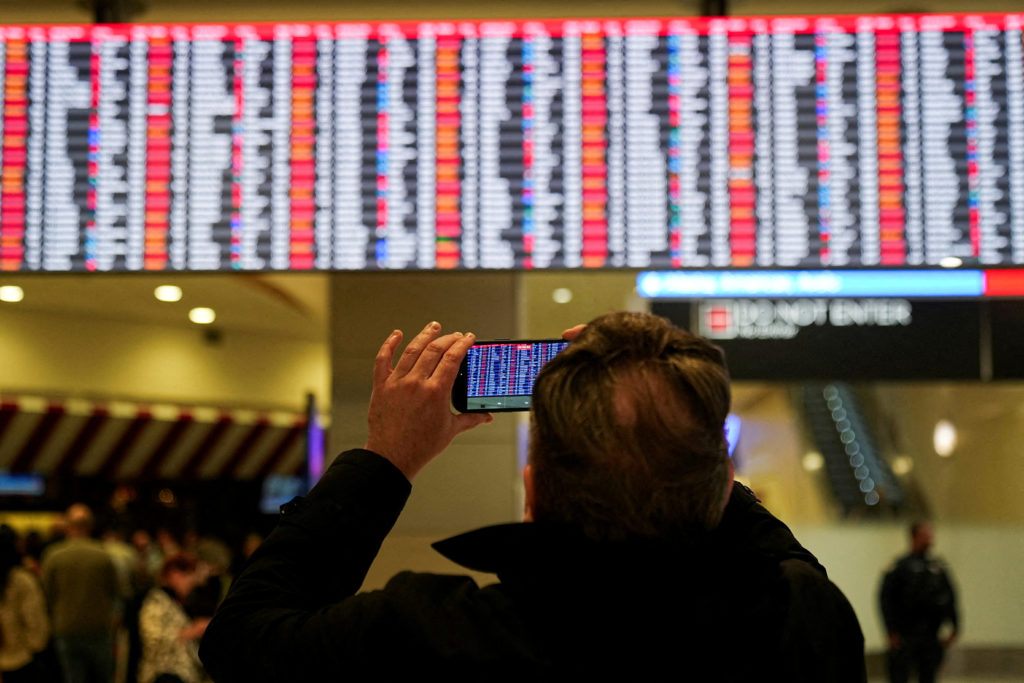
A series of technology problems affected companies, government systems, banks and air travel, prompting speculation that the incidents were connected. Available information points to routine maintenance, isolated failures or separate cyberattacks, while pattern-seeking, uncertainty and social media can make a coordinated threat seem more likely.Key Facts
- Microsoft, United Airlines, JPMorgan Chase and U.S. Bank experienced technical problems that disrupted work, banking or air travel.
- Marriott and Apple customers also experienced digital problems, and 178 companies reported being affected by a Nov. 16 cyberattack.
- The Federal Aviation Administration, National Security Agency and National Weather Service experienced problems; the FAA issued a rare nationwide ground stop.
- The best available information points to routine maintenance, individual technical problems or isolated cyberattacks, rather than one coordinated attack.
- A routine test of the Emergency Alert System was scheduled for Nov. 17.
- Psychology research links a tendency to see patterns in random events with greater endorsement of conspiracy theories and supernatural beliefs.
- Research also suggests that people may perceive nonexistent patterns more often when they feel a lack of control.
- Negative social media content can draw more engagement, and alarming posts and conspiracy theories have circulated widely.
Read the Full Article
This is a fact-based summary from The Actual News. Click below to read the complete story directly from the original source.