GLP-1 drugs could have a surprisingly large environmental payoff
Summary
A computer simulation estimated that widespread use of GLP-1 medicines by adults with obesity could reduce food demand and free agricultural land by 2050. The model estimated larger health and land-use effects when medication use occurred alongside a shift to healthier diets, while changes in food prices and consumption could affect people who do not take the medicines.Key Facts
- The simulation examined scenarios from GLP-1 use concentrated in high-income countries to widespread global access.
- With widespread use among adults with obesity, reduced calorie intake could prevent up to 6.6 million deaths annually by 2050, the model estimated.
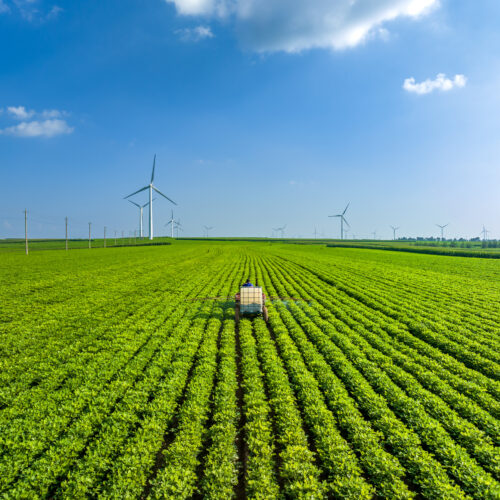
- That scenario could make as much as 32 million hectares of agricultural land available for other uses.
- Combining lower calorie intake with healthier diets could avoid up to 7 million deaths annually by 2050, according to the model.
- The combined scenario could make around 46 million hectares of agricultural land available for other uses.
- Lower food demand could reduce prices, potentially leading people who do not use the medicines to consume more and offset some benefits.
- The researchers said healthier foods need to become more available, affordable, and appealing alongside access to medical treatment.
Read the Full Article
This is a fact-based summary from The Actual News. Click below to read the complete story directly from the original source.