When disaster strikes, Medicaid work rules add barriers
Summary
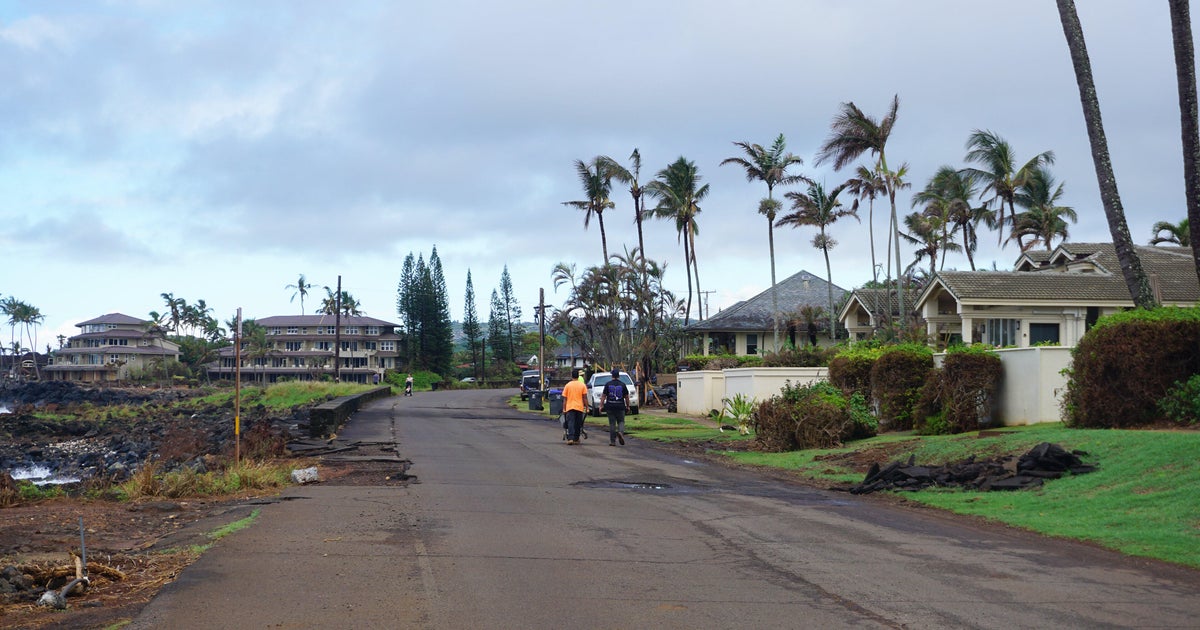
Hurricane Lowell caused widespread layoffs on Kauaʻi and was followed by a sharp rise in Medicaid applications. New federal work requirements could put coverage at risk for some adults affected by disasters, while states and federal officials differ on how long disaster exemptions may apply.Key Facts
- Kauaʻi unemployment claims rose from 69 before the September hurricane to about 1,800 nearly two weeks later.
- Medicaid applications from island residents increased by about 50% in the month after the hurricane.
- The One Big Beautiful Bill Act requires many nondisabled adult Medicaid enrollees in 43 states and Washington, D.C., to work, volunteer, or attend school at least 80 hours a month.
- States are expected to begin Medicaid eligibility checks by January 1, while federal officials have allowed them to delay enforcing work requirements until July.
- Disaster-related exemptions can excuse some Medicaid enrollees from work requirements, but officials have not clearly specified how long states can apply them.
- Hawaiʻi officials said they would keep people who do not meet the work requirements enrolled until July.
- At least 34 states and Washington, D.C., plan to adopt optional hardship exemptions; Indiana, Iowa, Missouri, and Ohio do not plan to adopt them.
Read the Full Article
This is a fact-based summary from The Actual News. Click below to read the complete story directly from the original source.