Spacecraft enters Mercury's orbit after 8-year journey despite glitch
Summary
The BepiColombo spacecraft entered Mercury’s orbit on Nov. 21 after an eight-year journey, despite a software glitch that interrupted its orbit-insertion maneuver. The European Space Agency and Japan Aerospace Exploration Agency mission will make further adjustments before releasing two science orbiters on Dec. 9.Key Facts
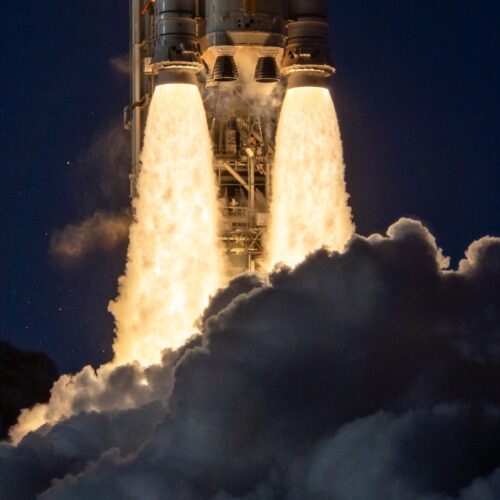
- The European Space Agency and Japan Aerospace Exploration Agency launched BepiColombo in October 2018.
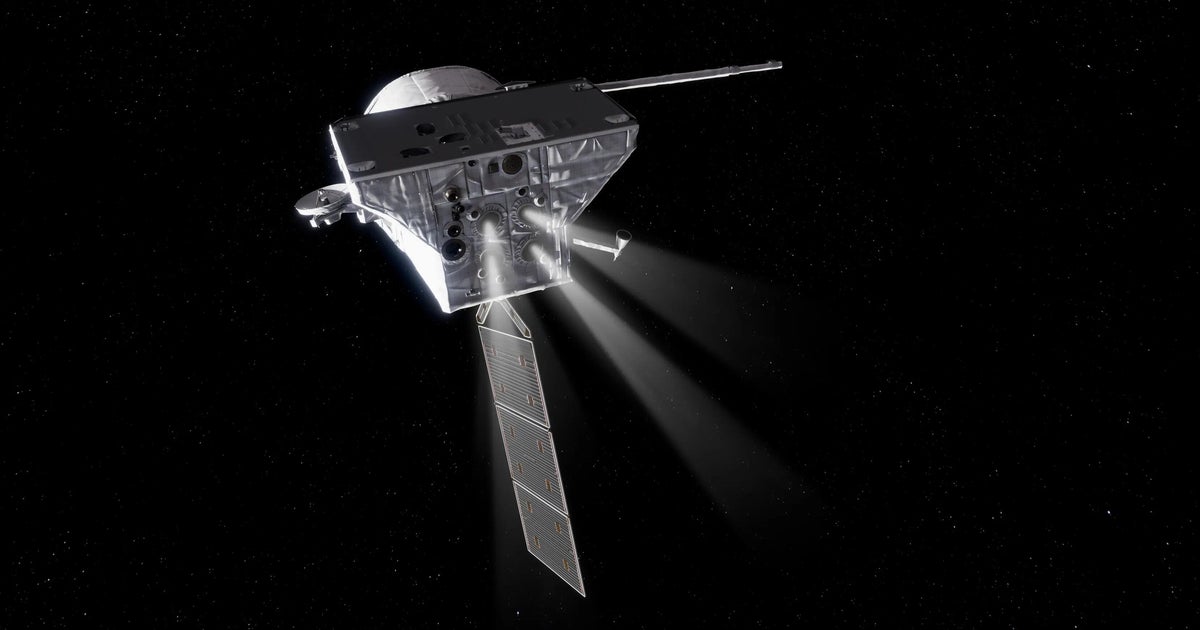
- During the Nov. 21 maneuver, the spacecraft fired four thrusters to slow down and enter Mercury’s orbit.
- The maneuver stopped after about 77% completion, and the spacecraft entered safe mode.
- The European Space Agency traced the glitch to software involving attitude guidance and thruster control; its investigation is continuing.
- It took six hours after the maneuver began to confirm that BepiColombo had entered Mercury’s orbit.
- The spacecraft will make additional small thruster burns over the following weeks to adjust its orbit and conserve fuel.
- BepiColombo is scheduled to release two science orbiters on Dec. 9: the European Space Agency’s Mercury Planetary Orbiter and Japan’s Mio.
- The Mercury Planetary Orbiter is expected to reach its final orbit in March 2027 and begin science operations in April. Mio will study Mercury’s magnetosphere, interplanetary dust and electric fields.
Read the Full Article
This is a fact-based summary from The Actual News. Click below to read the complete story directly from the original source.