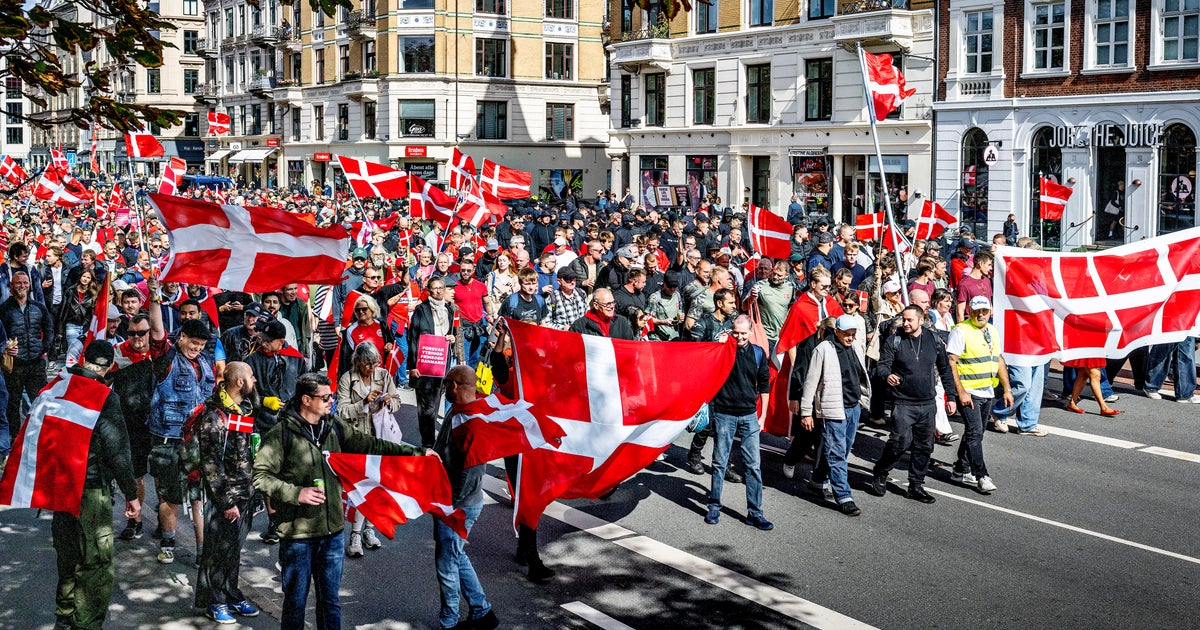
Top Denmark court upholds "non-Western" evictions law
Summary
Denmark’s Supreme Court upheld a law that lets authorities require changes to public housing developments based partly on residents’ origins and socioeconomic conditions. The court ruled that evictions of seven families from a Helsingør development did not amount to ethnic discrimination, while the European Union’s highest court had previously found the law could constitute discrimination based on ethnic origin.Key Facts
- Denmark introduced the law in 2018 to address what its government calls “parallel societies.”
- The law can apply to residential areas with at least 1,000 residents, where more than half are immigrants or descendants of immigrants from designated non-Western countries, if the area also meets socioeconomic criteria.
- The law defines non-Western status using a list of countries and territories, and bases classification on a person’s origin rather than citizenship.
- Developments designated as transformation areas must reduce public family housing to no more than 40% by 2030.
- Authorities can meet the housing-reduction requirement by demolishing buildings, selling properties to private landlords, or converting homes to other uses.
- Seven families evicted from Nøjsomhed-Sydvej argued that the Western and non-Western distinction served as a proxy for ethnicity.
- The Supreme Court said the distinction was based on nationality and country of birth, not ethnicity, and noted that the categories include people from multiple ethnic groups.
- The European Union’s highest court ruled the previous December that the law could constitute discrimination based on ethnic origin, leaving Denmark’s courts to decide the case.
Read the Full Article
This is a fact-based summary from The Actual News. Click below to read the complete story directly from the original source.