Potential health effects of Army's detonation of nearly 5 tons of lead azide
Also reported by Guardian World, The Hill, Al Jazeera, Newsweek, CBS News, PBS NewsHour, Ars Technica, Axios, BBC US
Summary
The U.S. Army plans to detonate nearly five tons of unstable lead azide at its Iowa Army Ammunition Plant on Wednesday, Nov. 25, 2026. The blast could release lead-containing dust and toxic fumes, while EPA workers test air, water and soil around the site.Key Facts
- Lead azide is an explosive compound used mainly in detonators.
- Lead azide can explode when shocked, heated or subjected to friction while dry.
- Heating lead azide can release toxic fumes containing lead and nitrogen oxides.
- The Army says the stockpile is too unstable to move and must be destroyed in place.
- Lead does not break down naturally and can remain in the environment for many years.
- Lead exposure can harm the brain, kidneys, liver and reproductive system, and lead can accumulate in the body.
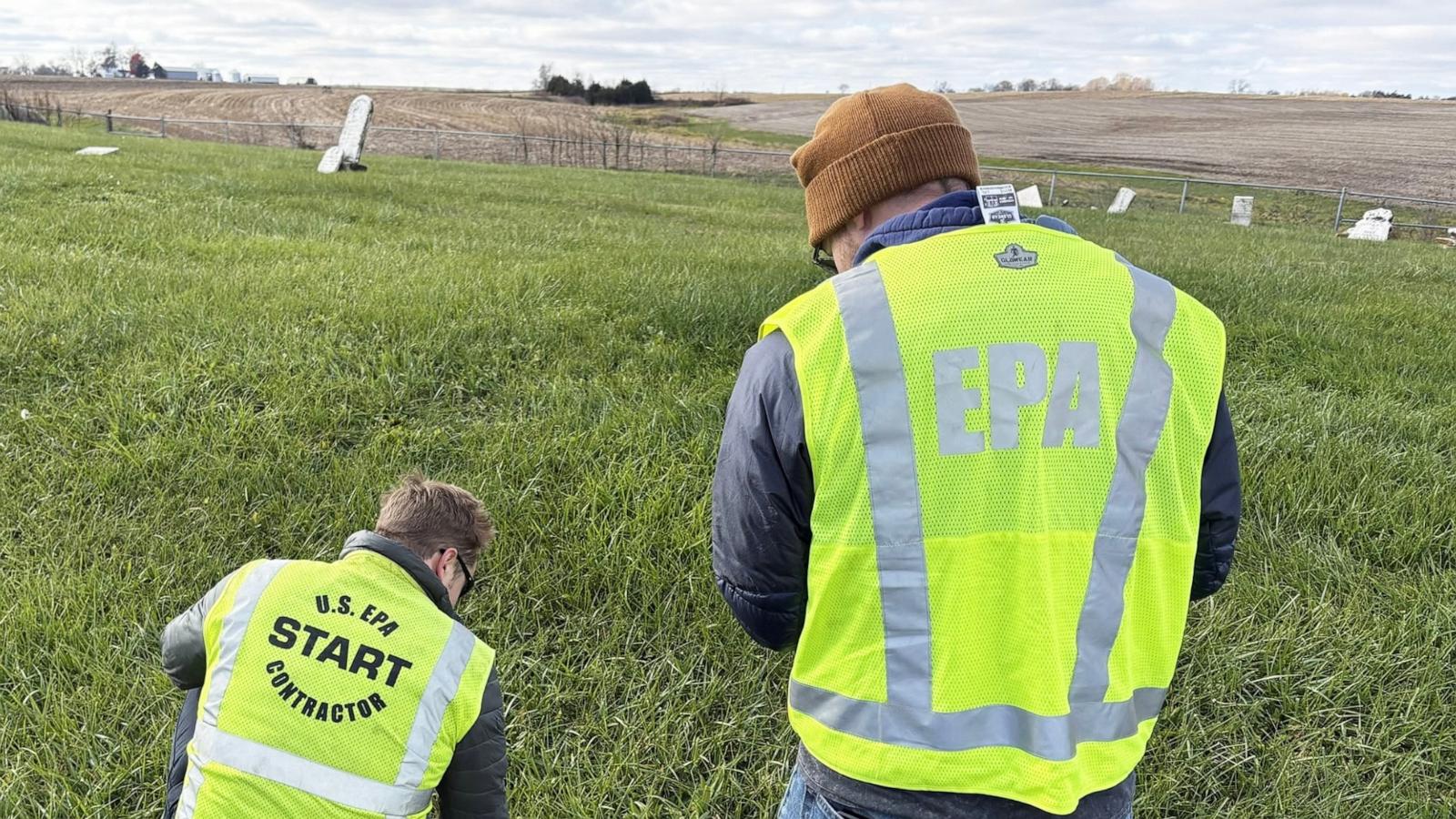
- EPA workers are testing air, water and soil before, during and after the detonation.
- OSHA workplace rules are triggered by airborne lead exposure averaging 30 micrograms per cubic meter over eight hours; its occupational exposure limit is 50 micrograms per cubic meter.
Read the Full Article
This is a fact-based summary from The Actual News. Click below to read the complete story directly from the original source.