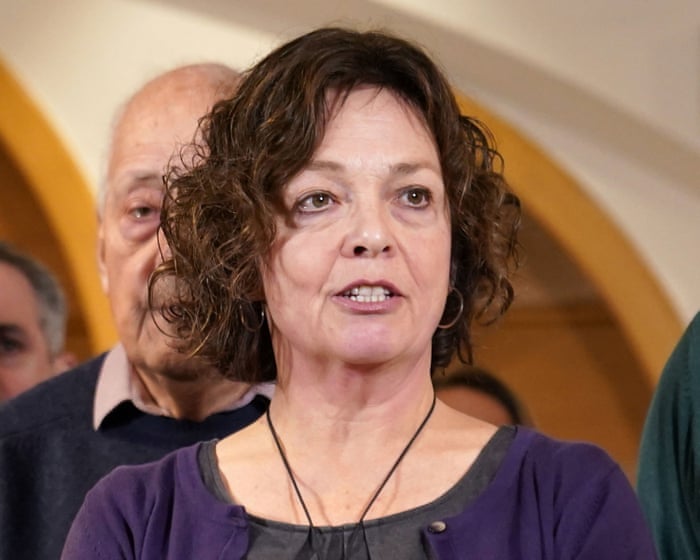
Hillsborough law ‘could leave families without vital legal funding after a death’
Summary
The draft Public Office (Accountability) Bill would provide legal aid to bereaved families only after a coroner names a public body as an interested person at an inquest. Families and campaigners say this could leave relatives without legal support during early investigations and hearings; an amendment to extend early access to legal aid is due for consideration in the House of Lords.Key Facts
- The bill would create a duty of candour for public officials and aims to address the imbalance between bereaved families and public bodies.
- Under the draft, legal aid becomes available when a coroner designates a person or organisation as an interested person at an inquest.
- That designation can happen long after a death, leaving families without publicly funded legal advice during early investigations and pre-inquest hearings.
- Ruth Perry’s family crowdfunded to cover legal costs after being denied legal aid.
- Jess Durdy’s family received pro bono legal help after she died in a crisis house centre in Bristol in 2020.
- Lady Goudie and Lord Bach have proposed an amendment that would provide legal aid when a public authority is likely to be an interested person at an inquest.
- The proposed amendment would end funding if the public authority is not designated as an interested person.
- The Ministry of Justice said the bill would be the largest expansion of legal aid in a decade and that it would continue discussions with campaigners.
Read the Full Article
This is a fact-based summary from The Actual News. Click below to read the complete story directly from the original source.