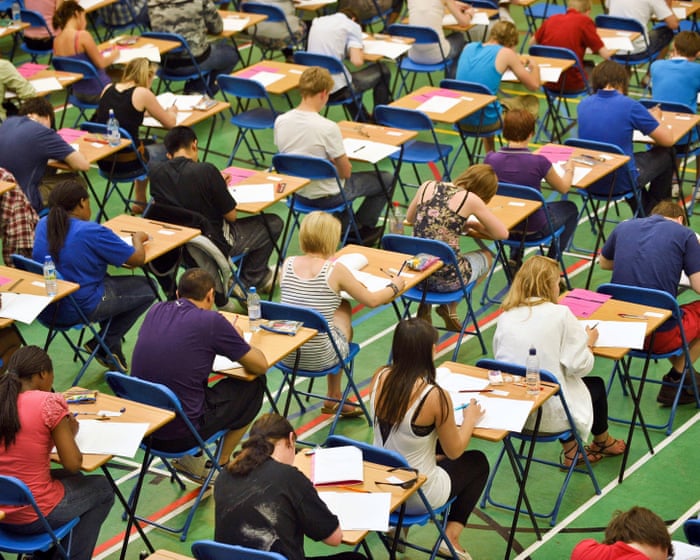
Children in overcrowded homes get poorer GCSE results, study finds
Summary
Children who share bedrooms or lack a quiet place to study tend to achieve lower GCSE results and are less likely to gain A-levels. Poor housing in childhood is also linked to lower rates of degree attainment and employment, as well as worse health and life satisfaction in adulthood.Key Facts
- More than 170,000 children in England live in temporary accommodation.
- Children who had experienced homelessness by age 14 were 18 percentage points less likely to achieve five good GCSEs.
- At age 11, 52% of young people in the poorest fifth of families shared a bedroom, compared with 7% in the richest fifth.
- Children without a suitable place to study scored lower at age 18, despite having similar results to their peers at the end of primary school.
- Each additional housing problem experienced between ages 11 and 15 was linked to a three-percentage-point lower likelihood of earning a degree and of being in work as an adult.
- Proposals include requiring rented homes to provide children with a bedroom that has space for a desk, and expanding access to quiet study areas outside the home.
- The UK government says it plans to end the use of bed and breakfasts for families and require councils to support children in temporary accommodation at school.
Read the Full Article
This is a fact-based summary from The Actual News. Click below to read the complete story directly from the original source.


