EPA says no rise in contamination after Army detonates lead azide stockpile in Iowa
Also reported by Al Jazeera, Newsweek, The Hill
Summary
The Army detonated a five-ton stockpile of lead azide in southeastern Iowa. Initial EPA test results show no increase in lead in the bodies of water that supply drinking water to the area, while testing of air, soil, dust and water continues.Key Facts
- The Army carried out a controlled detonation of an aging lead azide stockpile in Iowa.
- The EPA said initial laboratory results showed no rise in lead in nearby drinking-water sources.
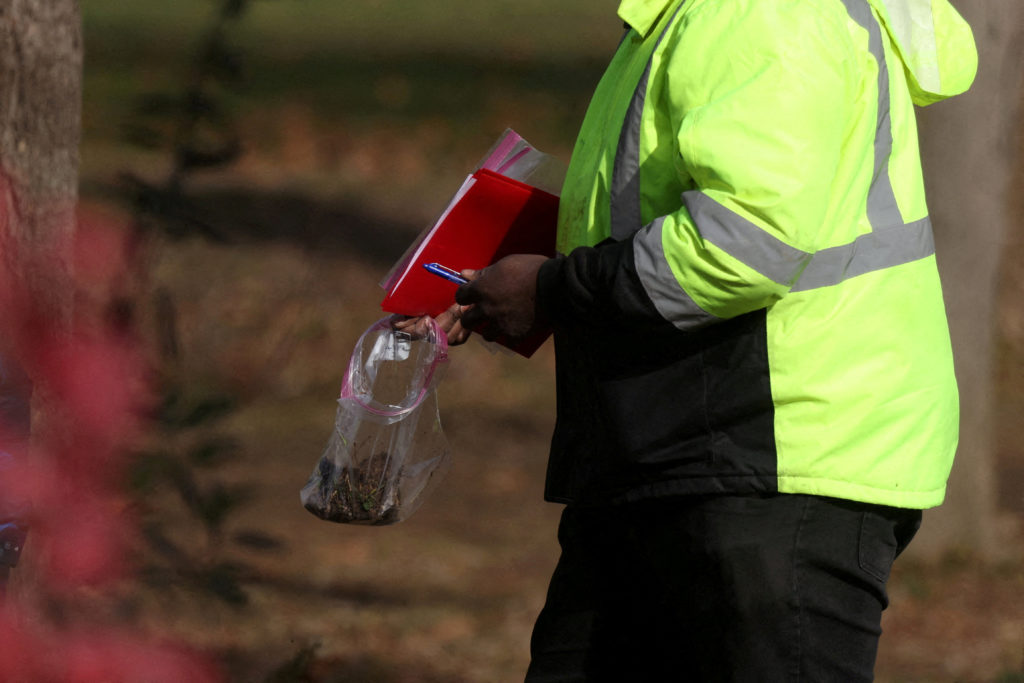
- About 300 people collected samples at schools, playgrounds, churches and homes.
- More than 1,500 samples were taken before the detonation, and hundreds were collected afterward.
- The EPA monitored airborne lead for 30 consecutive hours after the detonation.
- The EPA said laboratory results for more than 3,200 air, soil, dust and water samples still needed to be returned and validated.
- The Army said it detonated the degrading stockpile because it might explode uncontrollably as colder weather arrived.
- Residents and some elected officials criticized the Army for providing limited notice about its plans.
Read the Full Article
This is a fact-based summary from The Actual News. Click below to read the complete story directly from the original source.