EPA finds no elevated lead levels in drinking water following Iowa explosion
Also reported by PBS NewsHour, Al Jazeera, Newsweek, The Hill
Summary
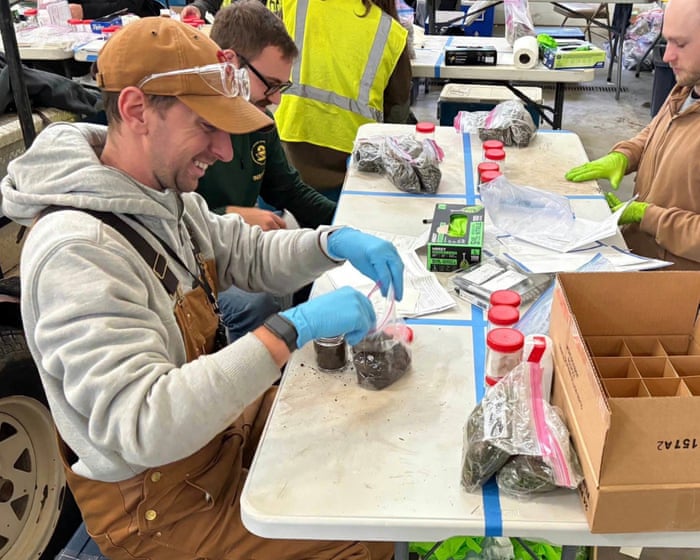
The EPA reported no elevated lead in drinking-water sources after the controlled detonation of degraded lead azide at the Iowa Army Ammunition Plant on November 25. The agency said it detected no lead in 38 post-detonation water samples and is continuing to process other environmental samples.Key Facts
- Military explosive experts detonated degraded lead azide at the Iowa Army Ammunition Plant in Middletown on November 25.
- The EPA collected 38 post-detonation water samples from public water supplies.
- The EPA detected no lead in those 38 samples, which included treated drinking water and untreated water at intake points.
- Before the detonation, the EPA sampled 35 drinking-water sources in Iowa, Illinois, and Missouri to establish baseline levels.
- The EPA monitored air for airborne lead for 30 consecutive hours after the detonation.
- The U.S. phased out lead azide in munitions production over the past decade because of its volatility.
- Army officials said the detonation was needed because the degraded material could explode uncontrollably as temperatures fell.
Read the Full Article
This is a fact-based summary from The Actual News. Click below to read the complete story directly from the original source.