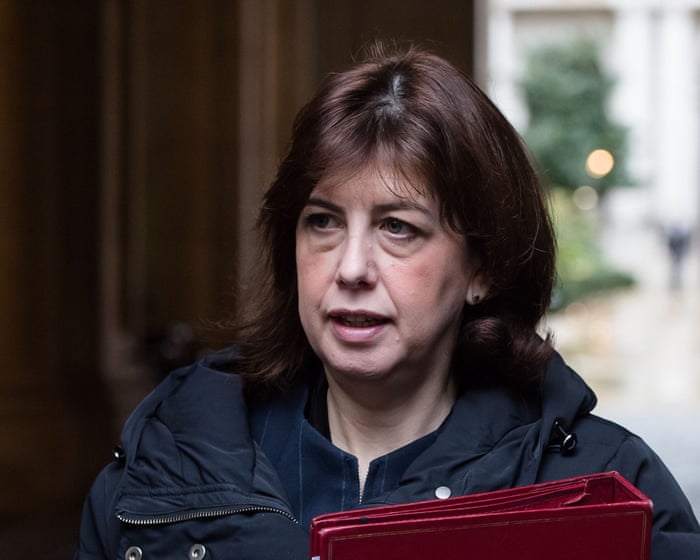
Reform or tearing up a promise? The row over the Irish 'triple lock' explained
Summary
Ireland’s coalition government plans to change the rules governing overseas deployments by its Defence Forces. The proposal would remove the requirement for UN Security Council approval and raise the number of troops who can be deployed without a Dáil vote from 12 to 50, prompting opposition from parties that say it threatens Irish neutrality.Key Facts
- Ireland’s triple lock requires approval from the government, the Dáil and the UN Security Council for deployments of more than 12 peacekeepers overseas.
- The triple lock was formally established in 1960; Irish neutrality dates back to the founding of the Irish Free State in 1922 and Ireland’s stance during World War II.
- The coalition government includes Fianna Fáil, Fine Gael and independent TDs.
- The government says other countries, including Russia and China, should not be able to veto Ireland’s decisions about deployments.
- The government says reform is needed to continue supporting a peacekeeping mission in Lebanon.
- Opposition parties have criticized the proposal, and Sinn Féin has called for a referendum.
- Irish peacekeepers have served at Camp Shamrock in Lebanon as part of the UN Interim Force in Lebanon, established in 1978.
- The UN Security Council voted to end UNIFIL’s mandate on 31 December 2026, and the EU wants to deploy a support mission in the region.
Read the Full Article
This is a fact-based summary from The Actual News. Click below to read the complete story directly from the original source.