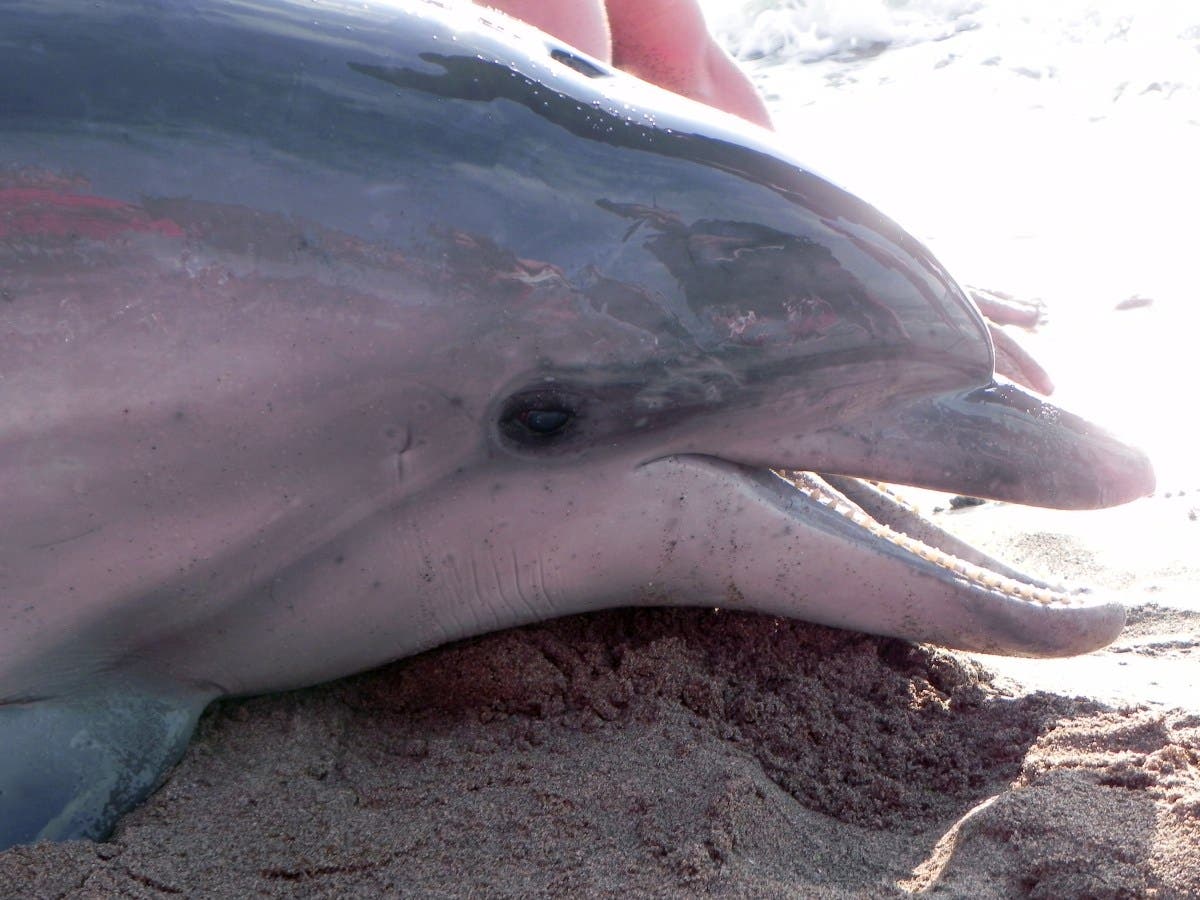
Stranded Dolphins May Have Alzheimer's, Say Scientists
Summary
Some dolphins may become stranded on beaches due to Alzheimer's-like symptoms caused by toxins in water. Scientists from Florida's Hubbs-SeaWorld Research Institute found a link between these symptoms and toxins made by certain microorganisms. These findings raise concerns about similar risks to human health.Key Facts
- Dolphins with Alzheimer's-like symptoms might get lost like humans with dementia.
- The study traced these symptoms to toxins from cyanobacteria, microorganisms common in various water bodies.
- A specific toxin, BMAA, and its related chemicals are found to damage nerve cells and cause memory issues in animals.
- These toxins build up in the food chain, affecting dolphins, which are top predators.
- The study examined 20 stranded dolphins and found signs of Alzheimer's disease.
- Climate change and pollution increase the occurrence of cyanobacterial blooms, raising exposure risks.
- Dolphins are seen as indicators of potential human health threats from marine toxins.
- Similar toxin exposure in Guam villagers is linked to signs of Alzheimer's disease.
Read the Full Article
This is a fact-based summary from The Actual News. Click below to read the complete story directly from the original source.