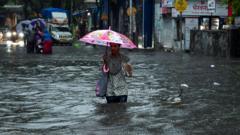
Why monsoon rains wreak havoc annually in India's cities
Summary
Heavy rains recently caused severe flooding in Mumbai, bringing parts of the city to a halt before the monsoon season fully started. The floods exposed weaknesses in the city's infrastructure and highlighted a common problem across major Indian cities: unplanned urban growth and outdated drainage systems. Experts attribute the issues to rapid city expansion, neglect of natural water channels, and climate change effects.Key Facts
- Heavy rains flooded Mumbai, causing major disruptions before the full monsoon season.
- Roads in Mumbai turned into rivers, and many areas were quickly underwater.
- A new metro station in Mumbai was flooded with muddy water during the downpour.
- The Brihanmumbai Municipal Corporation blamed clogged drains and metro construction debris for the flooding.
- India receives most of its annual rain during the monsoon season from June to September.
- Unplanned city growth and outdated infrastructure are key reasons for the flooding.
- Climate change leads to more irregular weather, affecting millions with events like flash floods.
- Delhi recorded its wettest May since 1901, with significant rainfall and damage.
Read the Full Article
This is a fact-based summary from The Actual News. Click below to read the complete story directly from the original source.


