The forgotten story of India's brush with presidential rule
Summary
During India's Emergency in the mid-1970s, Prime Minister Indira Gandhi's government considered changing the country's political system to a presidential model, which would have given more power to the president and reduced the role of Parliament and the judiciary. This idea was inspired by the French system under Charles de Gaulle and included changes like a stronger presidency and limited judicial power, but it never came into full effect.Key Facts
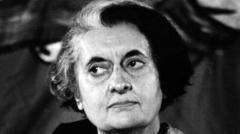
- In the mid-1970s, India was under a state of Emergency declared by Prime Minister Indira Gandhi, which meant civil rights were suspended.
- Gandhi's government considered moving from a parliamentary democracy to a system with more centralized power in a presidency.
- Historian Srinath Raghavan discusses these developments in his book, highlighting proposals for a presidential system inspired by France.
- BK Nehru, an aide to Gandhi, suggested a directly elected president who could make tough decisions without depending on Parliament.
- Proposals included a seven-year presidential term, reduced powers for the judiciary, and stricter controls on the press.
- Indira Gandhi discussed these ideas with her party leaders but remained non-committal about fully endorsing them.
- A document titled "A Fresh Look at Our Constitution" outlined plans for a powerful president with significant control over the judiciary.
Read the Full Article
This is a fact-based summary from The Actual News. Click below to read the complete story directly from the original source.