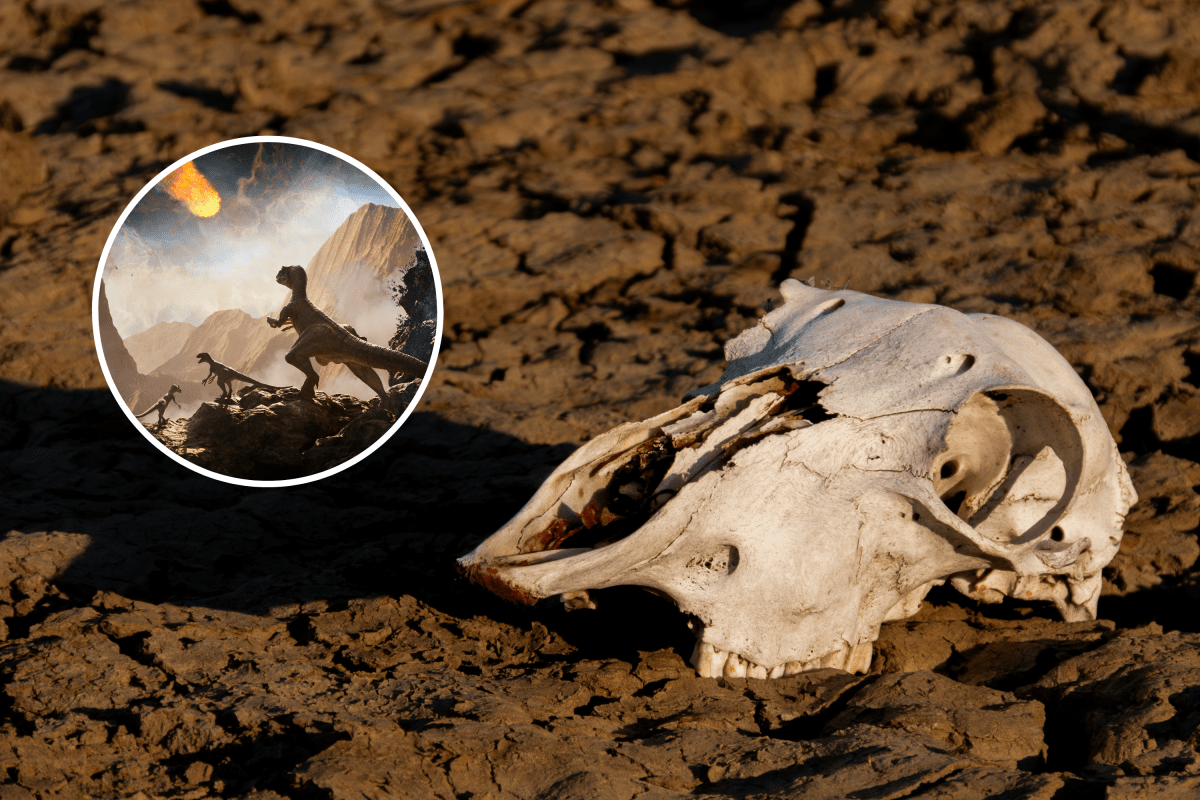
Humans Driving Extinctions at Scale Not Seen in 66 Million Years
Summary
Research from the University of York warns that human activities may cause a mass extinction similar to those seen in the Earth's past. This study compares current species loss to historical data and suggests the rapid rate of extinction today is unprecedented in the last 66 million years. However, researchers believe there is still a chance to prevent this outcome.Key Facts
- The study is conducted by researchers from the University of York in the United Kingdom.
- Human-triggered extinctions are occurring at a scale not seen since the dinosaurs went extinct 66 million years ago.
- A mass extinction is defined as losing 75% of species in a short geological period of less than 2.8 million years.
- Historically significant extinctions include the "Great Dying" 252 million years ago and the Cretaceous–Paleogene event 66 million years ago.
- The current extinction rate is compared to the Eocene–Oligocene event 34 million years ago, which happened over millions of years.
- Iconic species like the Tasmanian tiger and dodo have gone extinct due to human activity.
- The study highlights the difficulty in comparing current data with past events because of gaps in fossil records and other unknowns.
- Researchers say human actions significantly drive the current situation, but they stress it is not too late to change this trend.
Read the Full Article
This is a fact-based summary from The Actual News. Click below to read the complete story directly from the original source.