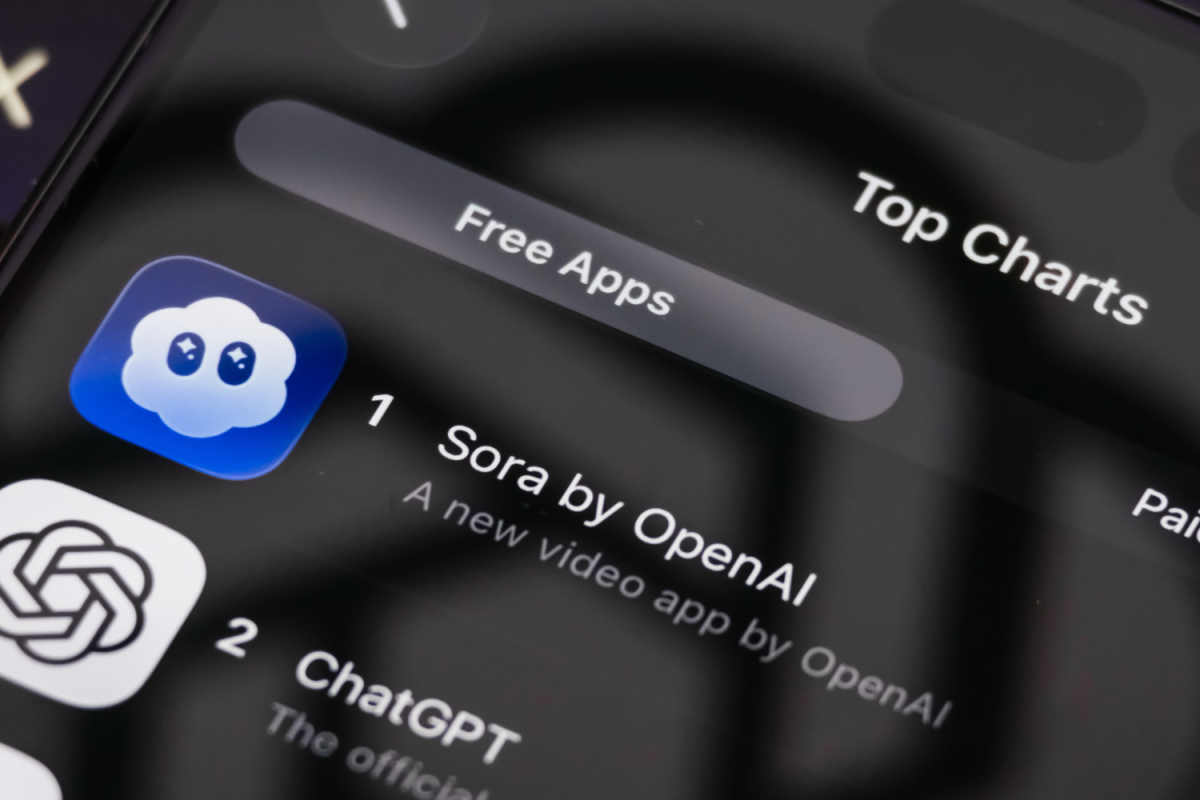
Sora 2 Bans Celebrity Deepfakes—but People Found a Loophole
Summary
OpenAI has updated its tool, Sora 2, to ban the use of real people's likenesses and copyrighted characters in its AI-generated videos unless they opt in, following complaints from celebrities and rights-holders. However, deceased celebrities can still be recreated without consent, leading to concerns about the ethical use of such AI content. OpenAI allows representatives or estates to request that certain likenesses not be used.Key Facts
- OpenAI released Sora 2 in December 2024, which can create realistic videos from text or images.
- The new policy prevents using real people's or copyrighted characters' likenesses without their consent.
- Actor Bryan Cranston supports the new policy, highlighting concerns over unauthorized use of performers' identities.
- There's a loophole for using likenesses of deceased celebrities such as Robin Williams and Michael Jackson.
- Martin Luther King Jr.'s family successfully requested a block on his likeness in Sora 2.
- Legal rights about using deceased personalities vary globally, affecting how families can protect these likenesses.
- OpenAI states that public figures' families should control how their likeness is used.
Read the Full Article
This is a fact-based summary from The Actual News. Click below to read the complete story directly from the original source.