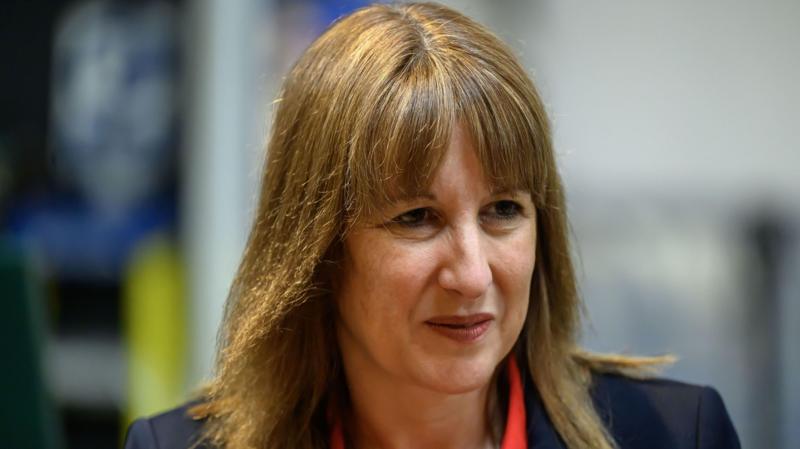
Reeves refuses to rule out income tax rises in Budget
Summary
Chancellor Rachel Reeves has not ruled out raising income taxes in the upcoming Budget, a move that could break a Labour election promise. Reeves aims to support working people by keeping taxes low but faces financial pressures, including a £22 billion shortfall. Discussions consider taxing partnerships used by lawyers and accountants, though this may not be enough to balance finances.Key Facts
- Rachel Reeves is the Chancellor of the Exchequer in the UK.
- She has not ruled out raising income taxes in the next Budget, despite a previous election promise not to do so.
- A report suggested discussions are underway to possibly raise the basic income tax rate by 1p.
- The Labour party's manifesto promised not to increase the basic, higher, or additional income tax rates.
- The government faces a £22 billion financial shortfall.
- Analysts say Reeves is likely to focus on taxing wealthy individuals and partnerships among professionals like lawyers and accountants.
- The current basic income tax rate is 20% starting from earnings over £12,570.
- Raising income taxes could be necessary to meet fiscal rules that require the UK government to reduce debt as a share of national income by 2029-30.
Read the Full Article
This is a fact-based summary from The Actual News. Click below to read the complete story directly from the original source.