Summary
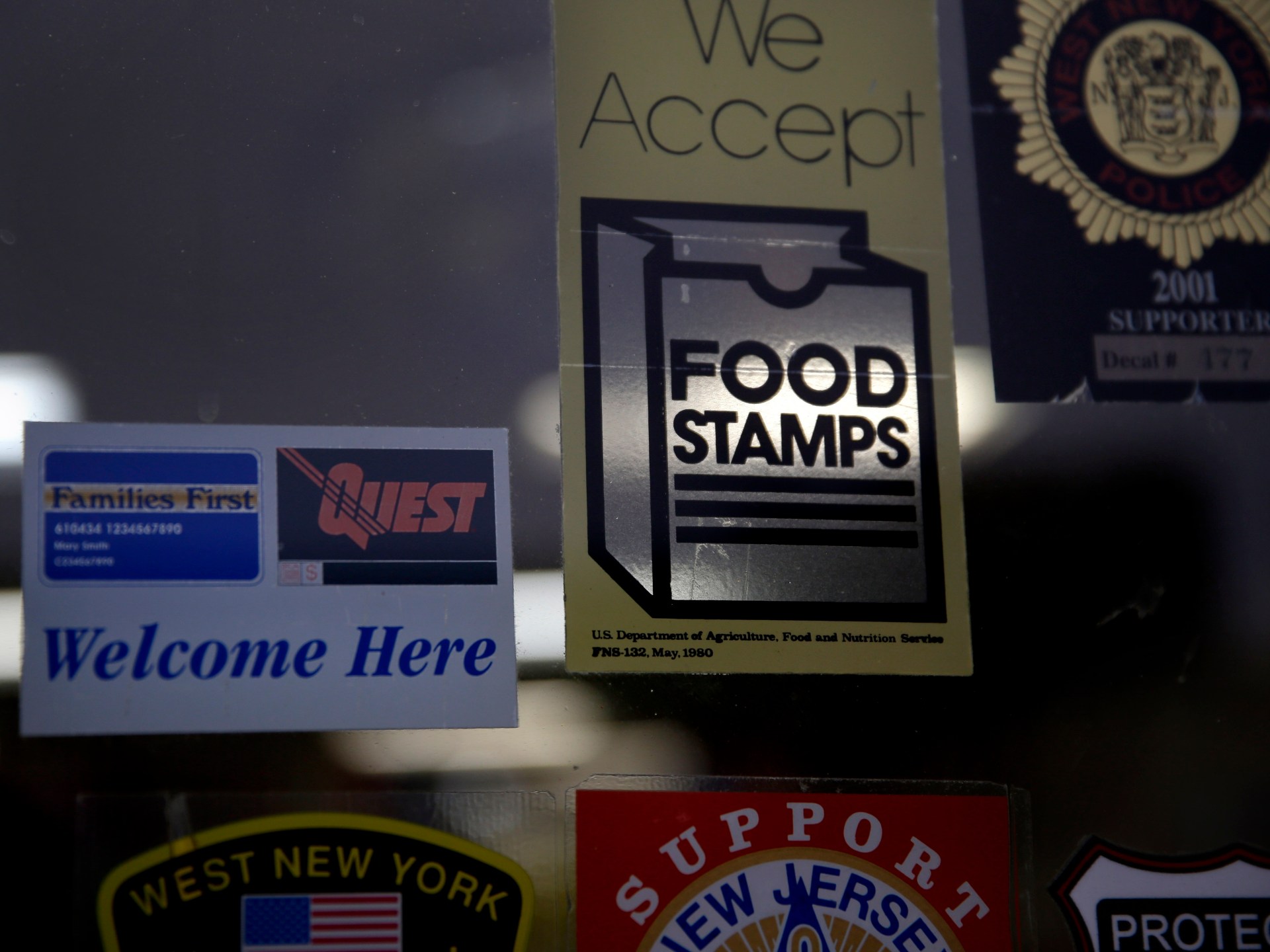
If the U.S. federal government shutdown continues, many low-income Americans may lose access to food assistance through the Supplemental Nutrition Assistance Program (SNAP) in November. The shutdown is due to disagreements between Democrats and Republicans over federal funding and healthcare subsidies. The Trump administration is looking for ways to fund SNAP temporarily, but there's uncertainty about how long benefits can continue.
Key Facts
- About 42 million Americans rely on SNAP for food assistance.
- The U.S. Department of Agriculture warned states that SNAP might run out of funds in November if the shutdown persists.
- The ongoing government shutdown is caused by disagreements over federal funding and the Affordable Care Act (ACA) subsidies.
- The Trump administration can use SNAP's contingency fund or other funds to cover some of the benefits temporarily.
- Some states have indicated that if the shutdown continues, SNAP benefits may not be available in November.
- High-income recipients would see bigger cuts in benefits first, according to federal regulations.
- Social media posts have spread the idea that food stamps will stop completely on November 1, but this may vary by state.
- California plans to support food banks with the National Guard and $80 million in state aid if SNAP funds run out.