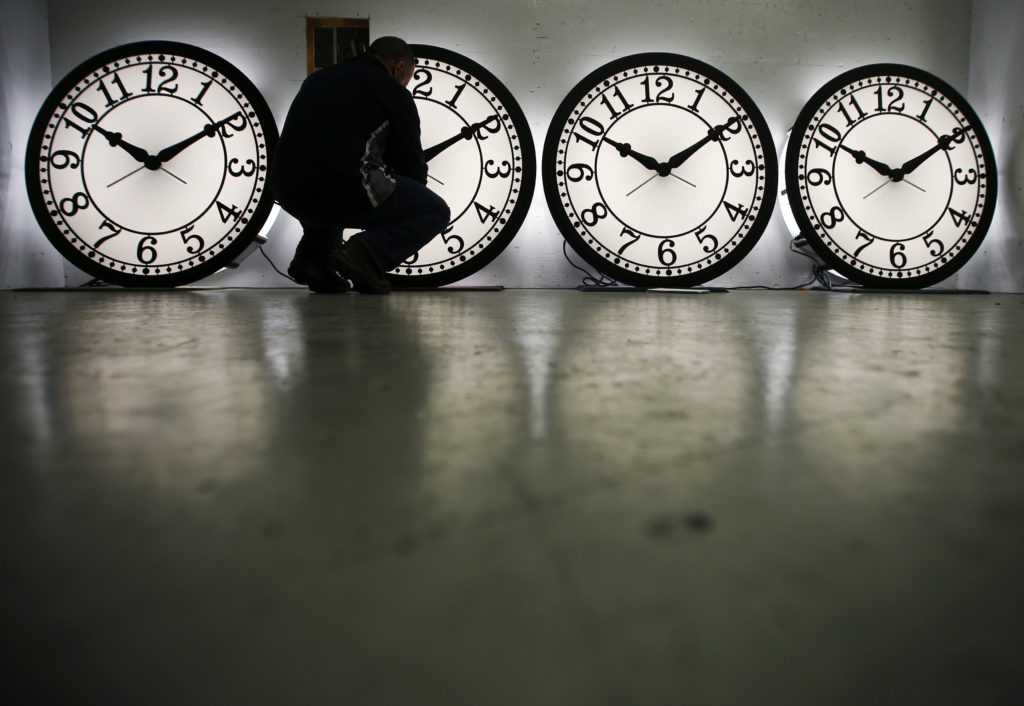
Daylight saving time ends Sunday. Here’s what happens to your body when clocks change
Summary
Daylight saving time ends on Sunday at 2 a.m., meaning most areas in the U.S. will set their clocks back one hour. This time change can affect the body's internal clock, known as the circadian rhythm, which helps regulate sleep and other bodily functions. Some health experts suggest that sticking to one consistent time year-round could be better for health.Key Facts
- Daylight saving time ends at 2 a.m. local time on Sunday as clocks are set back one hour.
- Most of America will follow this change, though Arizona and Hawaii do not observe daylight saving time.
- The change helps people get an extra hour of sleep.
- Health experts recommend getting morning sunlight to help reset the body’s internal clock.
- Some studies suggest that changing the clock twice a year is not ideal for health; year-round standard time may be better.
- The body's internal clock, or circadian rhythm, is influenced by daylight and helps control sleep, heart rate, and metabolism.
- People may experience issues such as sleep disruption or increased stress immediately after the time change.
- About 1 in 3 adults in the U.S. sleep less than the recommended hours regularly, which can be compounded by time changes.
Read the Full Article
This is a fact-based summary from The Actual News. Click below to read the complete story directly from the original source.