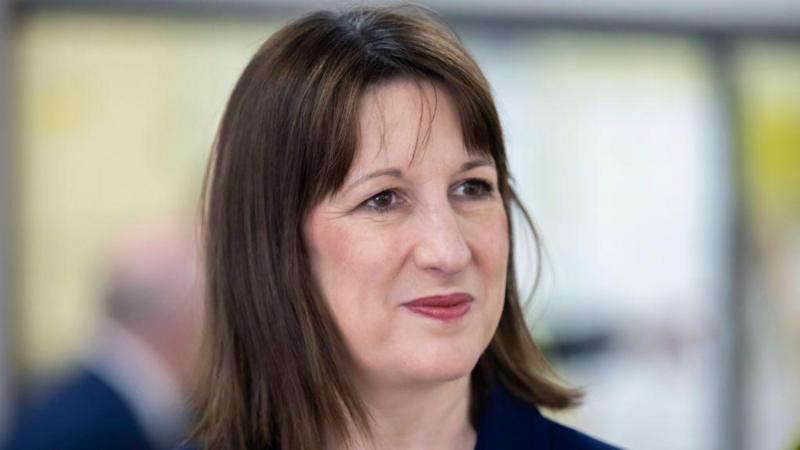
Productivity downgrade may add £20bn to Budget hole
Summary
The UK Chancellor faces a bigger-than-expected gap in the Budget due to a downgrade in productivity forecasts. The Office for Budget Responsibility (OBR) now estimates that this gap could be around £20 billion, driven by poorer productivity performance. The Chancellor might address this gap by raising taxes, cutting public spending, or borrowing more money.Key Facts
- The UK's economic productivity downgrade could create a £20 billion gap in the Budget.
- The Office for Budget Responsibility (OBR) will release its final productivity forecast on November 26.
- The initial Budget gap was expected to be between £10-£14 billion, but it is now estimated at £20 billion.
- Productivity is measured as the economy's output per hour worked.
- A 0.3 percentage point downgrade in productivity is expected, which is aligned with the Bank of England's view.
- For every 0.1 percentage point drop in productivity, public sector borrowing could rise by £7 billion by 2029-30.
- The Chancellor, Rachel Reeves, may raise taxes, reduce spending, or increase borrowing to address the gap.
- The Treasury is preparing its first draft Budget measures for submission to the OBR next week.
Read the Full Article
This is a fact-based summary from The Actual News. Click below to read the complete story directly from the original source.