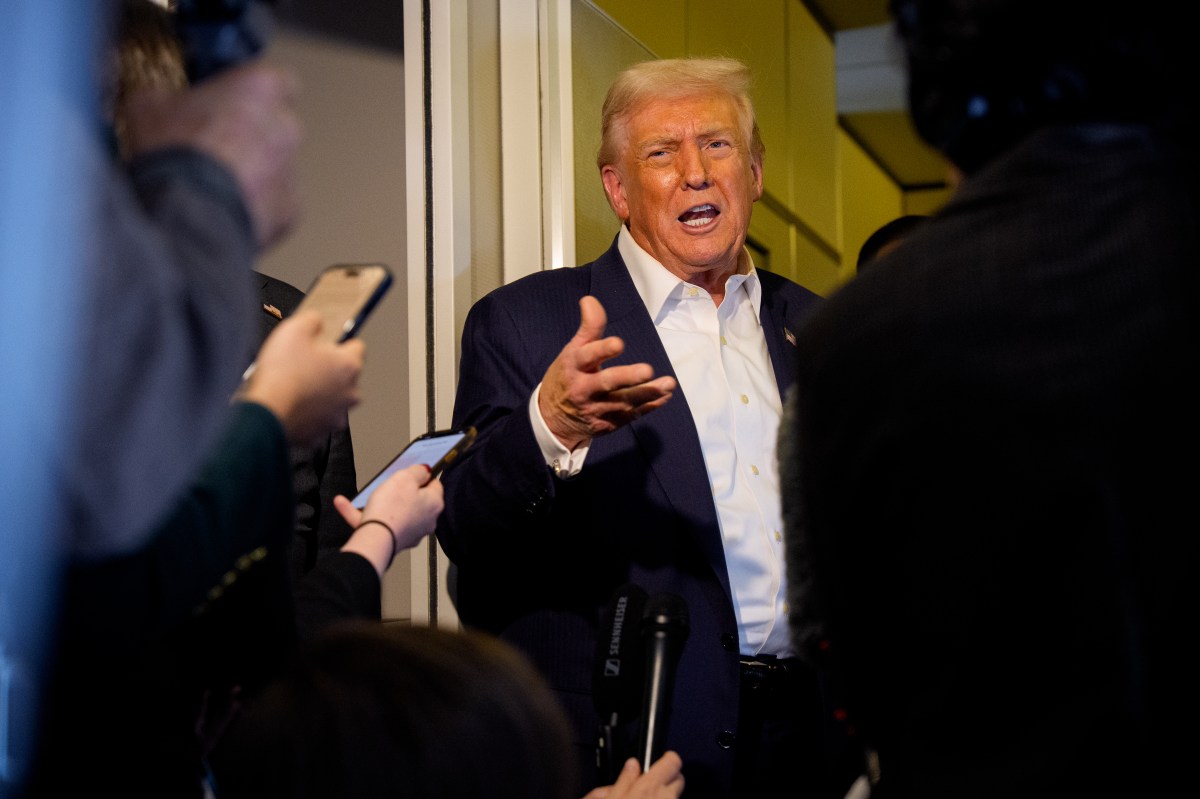
Summary
President Donald Trump has suggested that he would not seek a third term as vice president due to constitutional barriers. The 22nd Amendment prevents anyone from being elected president more than twice, and the 12th Amendment blocks someone ineligible for the presidency from becoming vice president. Discussions include unlikely and complex scenarios, such as constitutional amendments or succession pathways, which would face significant legal and political hurdles.
Key Facts
- President Trump has shown interest in a third term but dismissed running as vice president.
- The 22nd Amendment prevents anyone from being elected president more than twice.
- The 12th Amendment stops someone who can't be president from being vice president.
- Trump's former strategist, Steve Bannon, claims there are plans for Trump to stay in power, though details are unclear.
- Amending the Constitution to allow a third term would need a two-thirds majority in Congress and approval from three-quarters of the states.
- Becoming Speaker of the House, which does not require being a current representative, is another theoretical option for presidential succession.
- Experts argue these scenarios face significant legal and practical challenges.