The US bet big with Argentina bailout - is it paying off?
Summary
The United States has financially intervened in Argentina by helping stabilize its currency and supporting the government led by President Javier Milei. This move was aimed at strengthening a key ally in the region and supported Milei's party in the elections. However, it is uncertain if this intervention will be financially successful for the US, as the Argentine peso remains weak.Key Facts
- The US stepped in to support Argentina by purchasing Argentine pesos and setting up a $20 billion currency swap line.
- President Trump views Argentina as an important ally, with the US intervention aimed at supporting President Javier Milei.
- The Argentine peso has dropped about 30% this year, indicating ongoing financial risk.
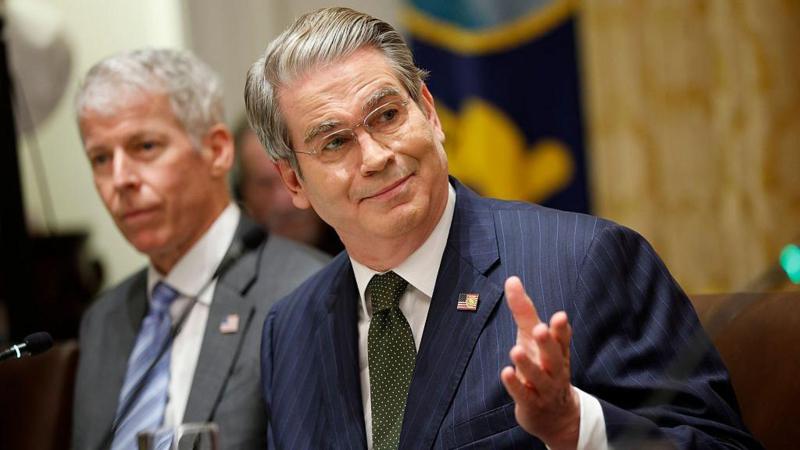
- Scott Bessent, the US Treasury Secretary, is the main figure managing this economic strategy.
- This financial support helped Milei's party gain strength in recent midterm elections.
- The intervention is unusual for a US administration that typically focuses on domestic issues.
- Analysts estimate the US has spent around $2 billion on purchasing pesos.
- Argentina has a history of currency devaluation and debt defaults, which adds to the risk for the US.
Read the Full Article
This is a fact-based summary from The Actual News. Click below to read the complete story directly from the original source.