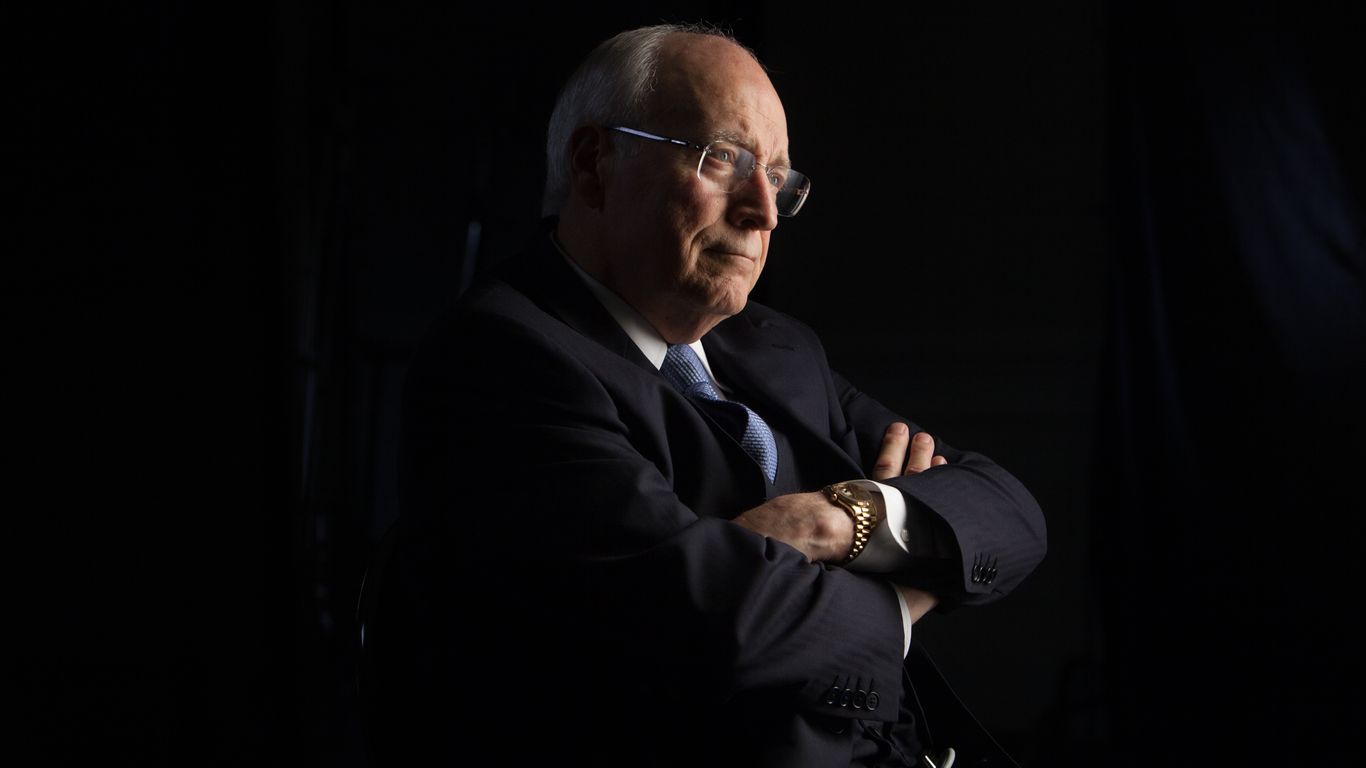
Dick Cheney and the twilight of the neocons
Summary
Dick Cheney, who died at 84, was a major figure in U.S. foreign policy and played a crucial role in the decision to invade Iraq in 2003. Cheney often supported the use of U.S. military force and believed in a president's right to act with little oversight from Congress. His views on foreign policy have become less popular in American politics today.Key Facts
- Dick Cheney was Vice President under President George W. Bush and was influential in U.S. foreign policy.
- He was a key advocate for the 2003 Iraq invasion, which he supported until his death.
- Cheney's foreign policy emphasized strong military force and minimal need for Congressional approval.
- After the 9/11 attacks, Cheney helped craft the "global war on terror" strategies, including surveillance and detention tactics.
- He served as Secretary of Defense at the end of the Cold War, a period of high confidence in America's global military power.
- Cheney's ideas and actions contributed to the changing perception of military intervention in U.S. politics.
- Despite his focus on strong military action, Cheney did not believe in the ideological spread of democracy.
- His approach influenced the Trump administration, which emphasizes quick and limited military interventions.
Read the Full Article
This is a fact-based summary from The Actual News. Click below to read the complete story directly from the original source.