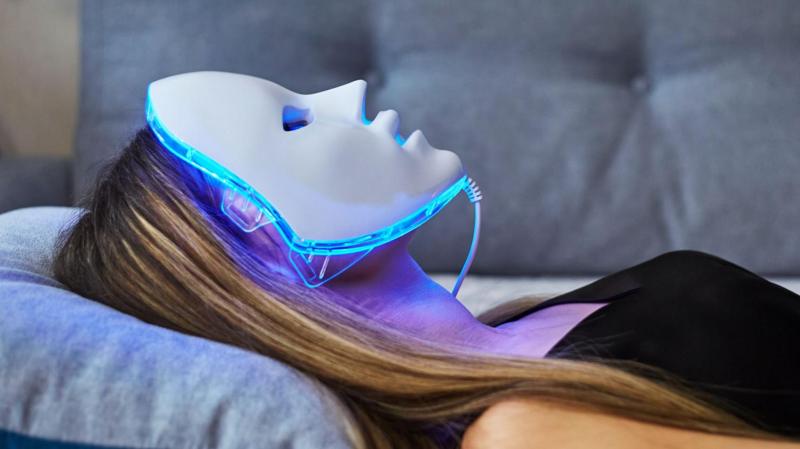
LED mask ads banned over acne and rosacea claims
Summary
Advertisements for LED face masks claiming to improve skin conditions like acne and rosacea have been banned in the UK. These ads made unauthorized medical claims without registration with the Medicines and Healthcare products Regulatory Agency (MHRA). The Advertising Standards Authority (ASA) conducted a search to identify and ban these misleading ads.Key Facts
- LED face mask ads were banned for making claims about treating acne and rosacea.
- These products were not registered with the UK’s Medicines and Healthcare products Regulatory Agency (MHRA).
- The ASA used artificial intelligence to find ads that made unauthorized medical claims.
- Some companies have agreed to remove misleading claims from their advertisements.
- Advertisers must have evidence to support any medical claims made about their products.
- The banning aims to protect consumers seeking solutions for genuine medical issues.
- Companies like Project E Beauty LLC and Beautaholics agreed to change their advertising practices following the bans.
- Claims of medical effects must be backed by reliable evidence, especially when they appear in customer testimonials.
Read the Full Article
This is a fact-based summary from The Actual News. Click below to read the complete story directly from the original source.