Summary
Many mothers in the U.S. are informally sharing breast milk with each other due to limited support for breastfeeding and parental leave. A study found that while some mothers use formal milk banks, many rely on sharing milk directly with other parents. This practice raises concerns about safety and inadequate support systems for mothers.
Key Facts
- Mothers across the U.S. are sharing breast milk informally, often due to a lack of support for breastfeeding and limited parental leave.
- A University of Pittsburgh and RAND Corporation study found 1 in 27 first-time mothers shared breast milk.
- Factors like limited paid parental leave and insufficient access to milk alternatives contribute to this practice.
- Of the surveyed mothers, 9.4% reported using donor or shared milk for their infants.
- Shared milk is often not screen-tested like milk from formal milk banks, which poses potential safety concerns.
- Donor and shared milk use was more common among uninsured participants.
- Research suggests a need for better lactation support even when alternative milk sources are used.
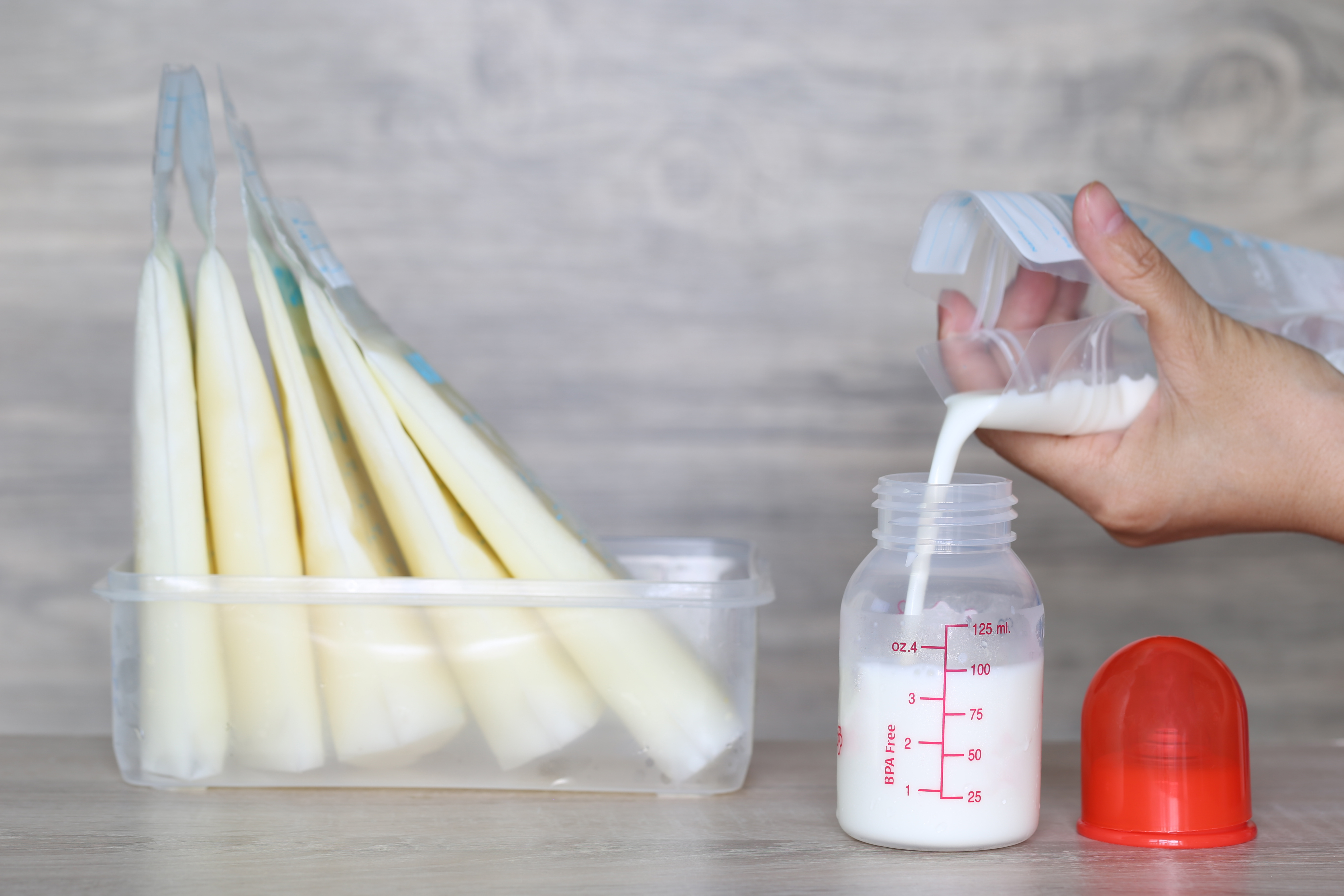
- Informal milk sharing involves exchanging fresh or frozen milk from one parent to another without the safety processes of milk banks.