Summary
The U.S. Supreme Court recently paused a lower court's order for full Supplemental Nutrition Assistance Program (SNAP) payments, affecting millions of people. President Trump's administration halted November SNAP payments due to a government shutdown, but some states began issuing benefits. A new funding bill could potentially resolve the issue soon.
Key Facts
- SNAP benefits help low- and no-income people buy food and usually reach around 42 million Americans.
- The Supreme Court blocked an order that required full SNAP payments during the government shutdown.
- President Trump's administration previously halted SNAP payments for November, causing legal actions.
- Two judges ruled for partial SNAP payments, but a higher court paused full funding.
- A Senate-approved bill aims to reopen the government and extend SNAP funding until September 2026.
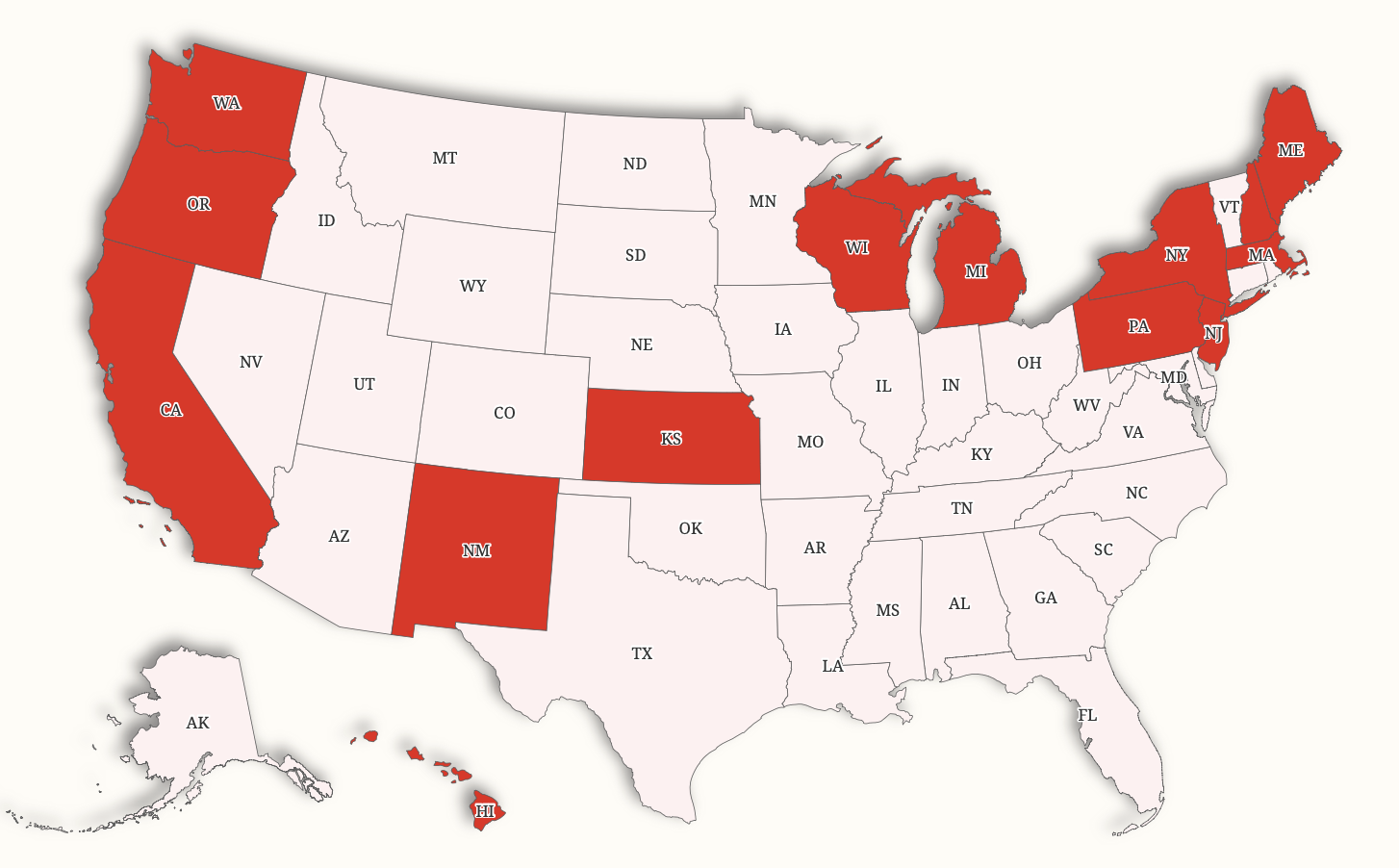
- California, Hawaii, Kansas, Massachusetts, New Mexico, New Jersey, New York, Oregon, Pennsylvania, Washington, and Wisconsin have begun issuing November SNAP payments.
- The House needs to pass the funding measure before President Trump can approve it, restoring payment duties to the Department of Agriculture.