Summary
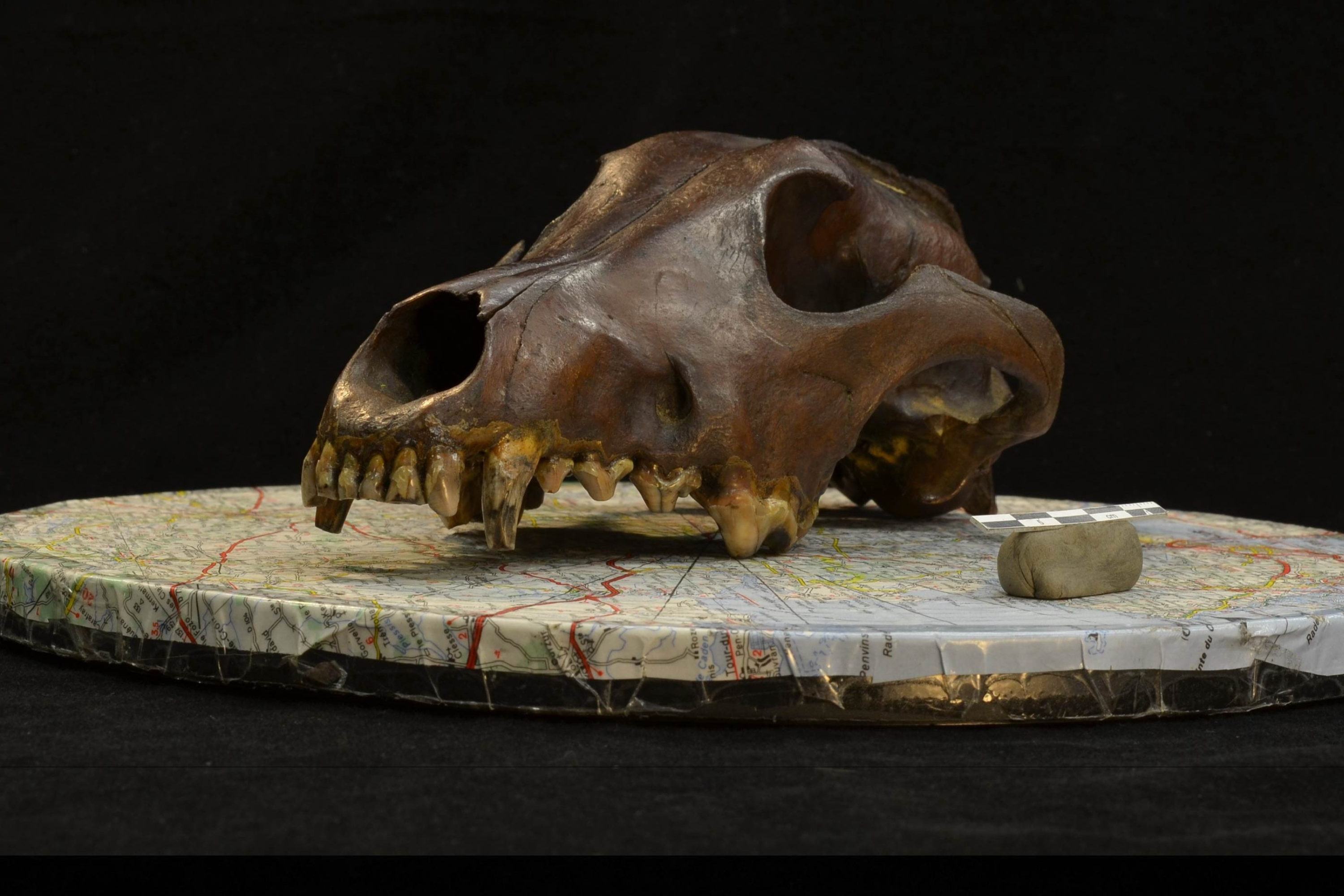
Scientists found that the diversity of domestic dogs started developing thousands of years earlier than previously thought. They discovered that many different dog forms existed soon after domestication, long before modern breeding practices began in the 19th century. This research was conducted by analyzing ancient and modern dog skulls.
Key Facts
- Scientific research suggests dog diversity began developing over 11,000 years ago.
- Modern dog breeds started classifications in the 19th century based on looks and behavior.
- Study used 3D scans of over 600 dog skulls from the past 50,000 years.
- Results show early dogs had a wide variety of forms similar to today's breeds.
- Victorian breeding programs contributed to the extreme shapes seen in some modern dogs.
- The study highlights the role of human selection, climate, and food availability in dog evolution.
- Ancient skull traits in dogs appeared during the early Holocene period, over 10,000 years ago.
- Some modern breeds, like German shepherds and St. Bernards, have wolf-like skull shapes.