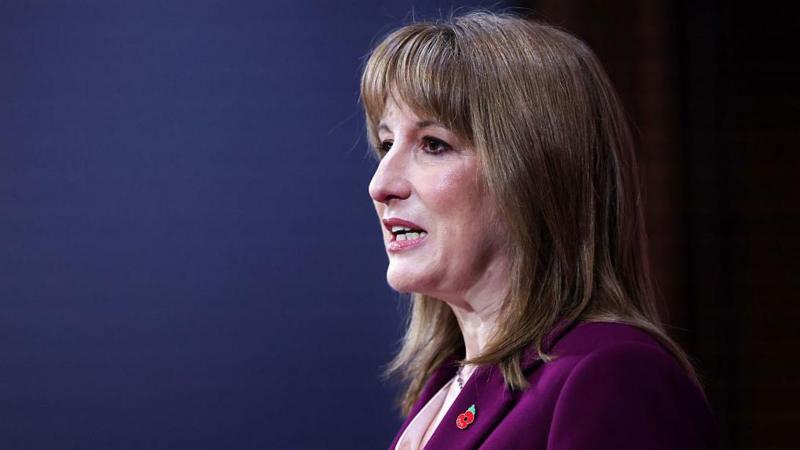
What's behind Rachel Reeves's 'hokey cokey' on income tax rises?
Summary
Chancellor Rachel Reeves considered raising income taxes but decided not to after better economic forecasts reduced the budget gap. The plan included a simultaneous cut in National Insurance, but newer projections showed improved tax receipts from wages, leading her to abandon the tax change proposal. The decision affected financial markets, with government borrowing costs briefly rising, but the chancellor aims to keep borrowing within set limits.Key Facts
- Rachel Reeves, the Chancellor, considered raising income taxes but decided not to after new economic forecasts.
- The initial plan included increasing income taxes by 2 pence while cutting National Insurance by 2 pence.
- The plan aimed to address a £30 billion gap in public finances.
- New forecasts reduced this gap to about £20 billion due to expected stronger wages and tax receipts.
- Financial markets reacted with increased borrowing costs for the government upon news of dropped tax plans.
- By the end of the week, borrowing costs had risen slightly due to ongoing market concerns.
- The chancellor plans to maintain borrowing within limits and might extend a freeze on tax thresholds to raise additional revenue.
Read the Full Article
This is a fact-based summary from The Actual News. Click below to read the complete story directly from the original source.