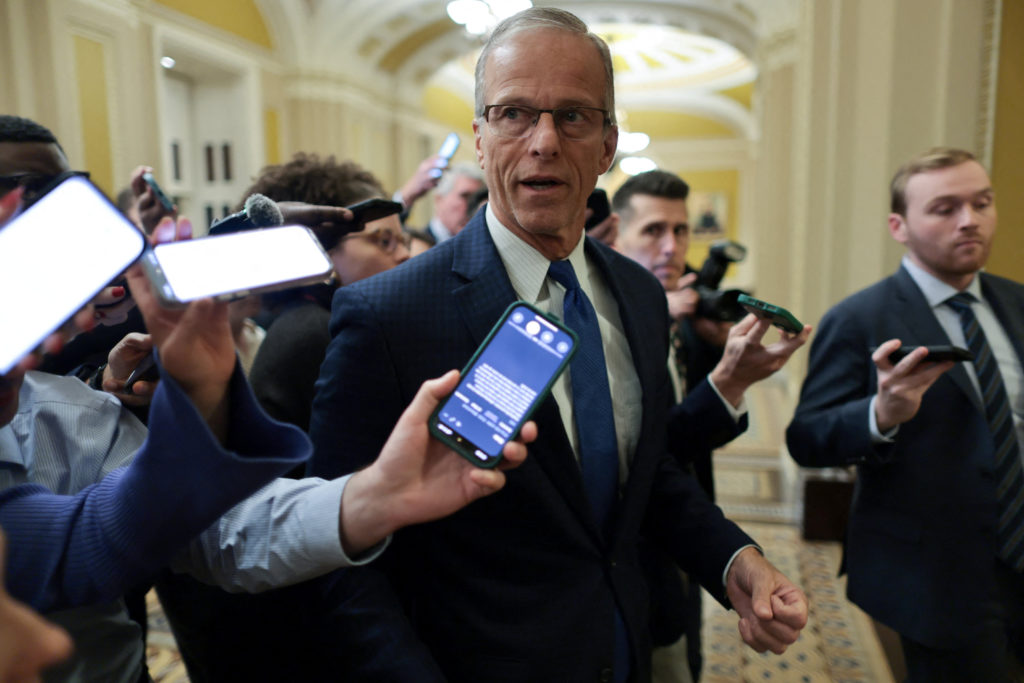
Summary
The U.S. House of Representatives voted 427-0 to repeal a part of a new law that allows senators to sue the federal government if their data is accessed without permission. This law was added to a funding bill, leading to objections from many lawmakers. The Senate is not expected to agree with the repeal.
Key Facts
- The House voted unanimously to repeal a provision that lets senators sue for unauthorized data access.
- The vote followed the addition of this provision to a funding bill by Senate Majority Leader John Thune.
- The funding bill was initially passed to end the longest government shutdown in U.S. history.
- The provision was introduced after the FBI analyzed phone records of senators as part of an investigation.
- The Justice Department's actions during President Joe Biden's term sparked criticism about separation of powers.
- President Donald Trump has no objections to the original law, according to a senior White House official.
- Some lawmakers have criticized the provision, calling it self-serving.
- The Senate is likely to oppose the House's repeal unless changes are made.