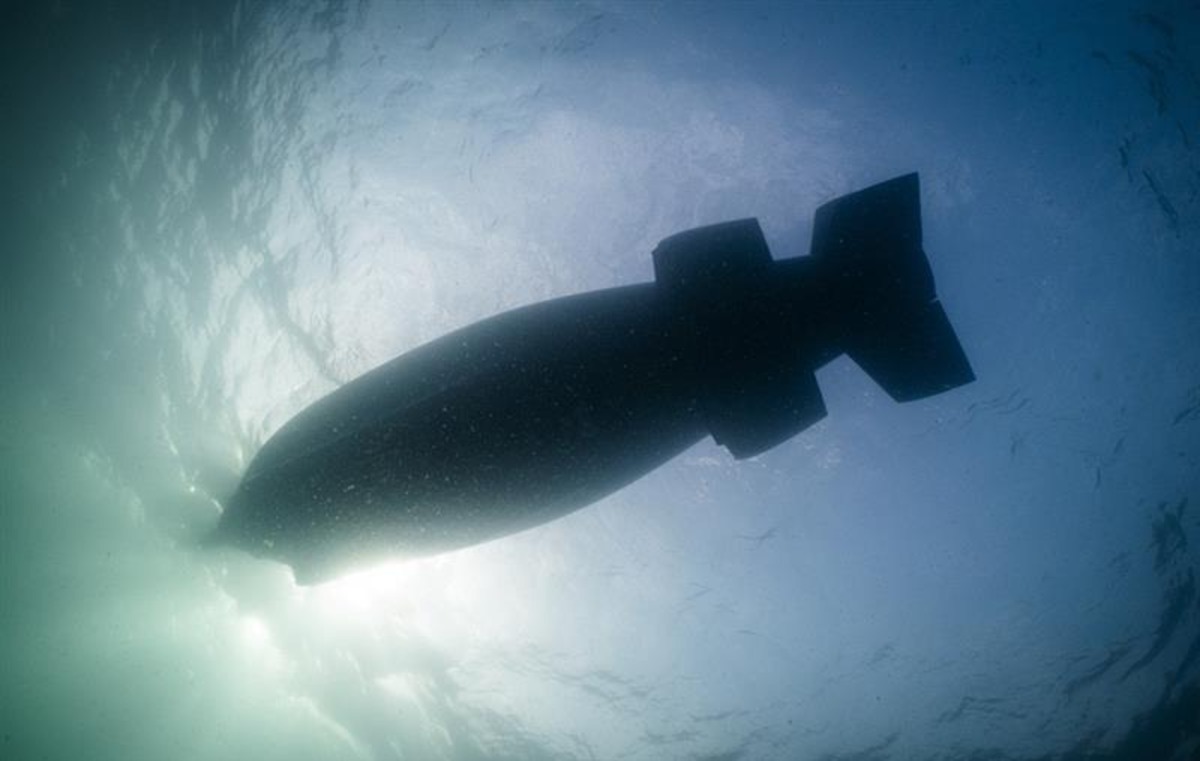
Watch: New Submarine-Hunting Underwater Drones Undergo Tests in Baltic Sea
Summary
New underwater drones called GreyShark are being tested in the Baltic Sea to detect submarines and protect undersea cables. These drones can operate independently without human guidance and are attracting interest from several European NATO countries. NATO is strengthening its anti-submarine capabilities in the region due to recent undersea threats and tensions with Russia.Key Facts
- GreyShark drones are being tested to find submarines and protect underwater cables in the Baltic Sea.
- They can work for up to four months at sea on one deployment.
- Different versions of the drones include Foxtrot, a long-endurance type, and Bravo, a shorter-range model.
- The drones are autonomous, meaning they can operate without needing human control.
- NATO countries are interested in the drones to enhance security in the Baltic region.
- Suspicious damage to cables and pipelines in late 2024 raised security concerns in the area.
- NATO has been increasing its resources in the Baltic Sea to counter potential threats, especially from Russia.
- The majority of global data is carried through undersea cables.
Read the Full Article
This is a fact-based summary from The Actual News. Click below to read the complete story directly from the original source.