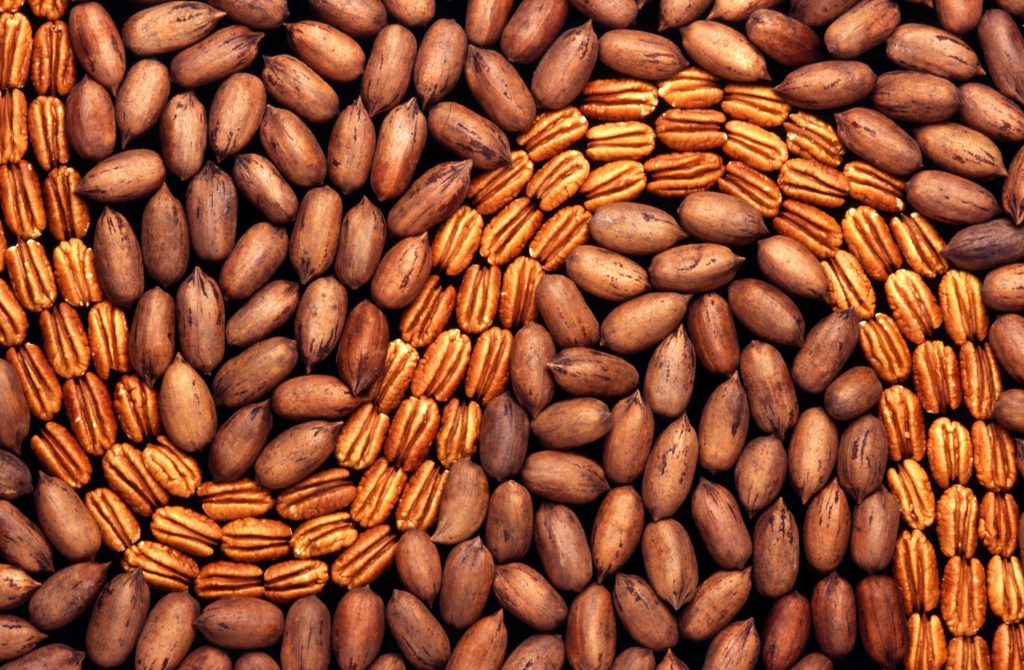
How pecans went from ignored trees to a holiday staple — an expert explains the 8,000-year history
Summary
The article discusses the history of pecans in the United States, highlighting how they became popular over time. Pecans, which are native to the southern U.S., are now a major crop, with the U.S. producing 80% of the world's supply. The article also describes how pecans are used and how their cultivation practices evolved, including the use of grafting to improve quality.Key Facts
- Pecans are native to the southern United States and were used by Native Americans as early as 8,000 years ago.
- Today, the United States grows 80% of the world’s pecan crop, with most of it staying within the country.
- The name "pecan" comes from the Algonquin word "pakani," meaning "a nut too hard to crack by hand."
- Pecans are technically a type of fruit called a drupe, not a nut.
- The first documented purposeful planting of pecan trees was in New York in 1722.
- Pecans became recognized for their economic potential in the late 1800s.
- Grafting, a technique to improve pecan quality, became popular to ensure good yields from cultivated trees.
Read the Full Article
This is a fact-based summary from The Actual News. Click below to read the complete story directly from the original source.