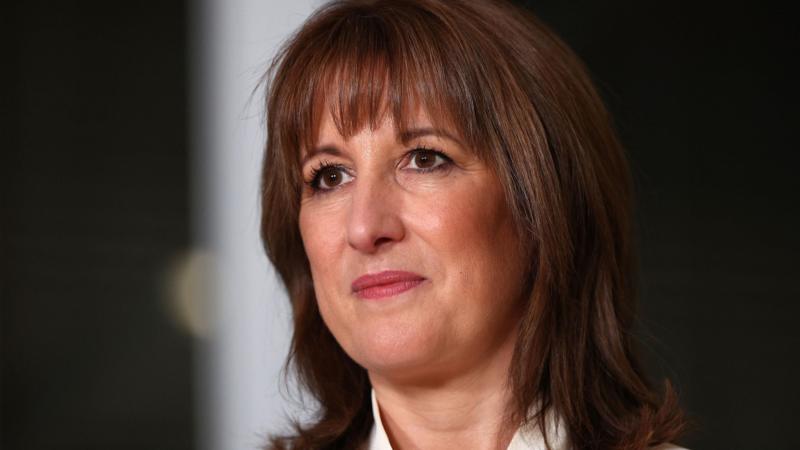
No 10 denies Reeves misled public in run-up to Budget
Summary
Downing Street denied claims that Chancellor Rachel Reeves misled the public about the UK's financial situation before this week's Budget. The Office for Budget Responsibility told Reeves there was a financial surplus due to higher than expected tax income, yet she suggested potential tax increases. Later, the government decided against raising income tax rates, citing positive financial forecasts.Key Facts
- Downing Street refuted accusations against Chancellor Rachel Reeves for misleading the public about public finances.
- The Office for Budget Responsibility informed Reeves in September about a financial surplus due to increased tax receipts.
- Reeves suggested potential income tax rate increases, citing weaker productivity and its impact on public finances.
- The government decided not to raise income tax rates, citing better than expected financial forecasts.
- Conservative leader Kemi Badenoch accused Reeves of lying to the public and facing a £20bn gap in finances.
- The Treasury assured that they had enough financial surplus to meet Chancellor Reeves' fiscal rules.
- OBR confirmed the positive financial position before Reeves' interventions and speeches.
- The PM's spokesperson stated that Reeves clearly outlined the financial challenges in her speeches.
Read the Full Article
This is a fact-based summary from The Actual News. Click below to read the complete story directly from the original source.