Why 2026 will be a year like no other for India's Sun mission
Summary
India's Aditya-L1 mission aims to observe the Sun during its peak activity cycle in 2026. The mission will study the increased solar storms and coronal mass ejections (CMEs) that occur when the Sun's magnetic poles switch places. Understanding these solar activities is important because they can impact technology and infrastructure on Earth.Key Facts
- Aditya-L1 is India's first solar observation mission in space, launched last year.
- In 2026, Aditya-L1 will observe the Sun during its maximum activity cycle, which occurs approximately every 11 years.
- During this cycle, the Sun's magnetic poles flip, leading to more solar storms and CMEs.
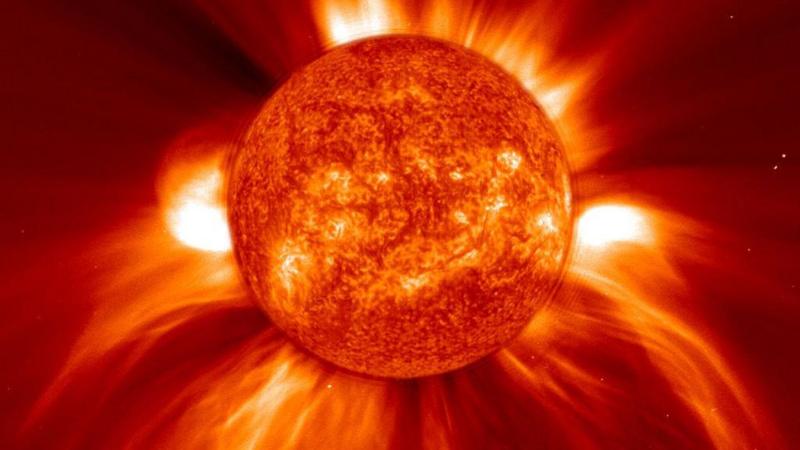
- CMEs are large bubbles of charged particles that can travel at high speeds and affect Earth if directed towards it.
- Solar storms can disrupt satellites, power grids, and communication systems on Earth.
- Other solar missions exist, but Aditya-L1's instruments are specifically designed to observe nearly the entire solar corona continuously.
- CMEs can create auroras but also have the potential to cause significant technological disruptions.
Read the Full Article
This is a fact-based summary from The Actual News. Click below to read the complete story directly from the original source.